

Your stream’s audio quality can make or break viewer retention, and an XLR microphone gives you the professional sound that keeps audiences engaged. Unlike USB mics, XLR setups offer superior dynamic range, noise rejection, and upgrade flexibility through external interfaces.
This guide covers the 10 best XLR microphones for streaming in 2026, from budget-friendly dynamic mics to premium broadcast-grade options. Whether you’re upgrading from a headset mic or building a dedicated streaming studio, you’ll find a mic that fits your setup and budget.
Pros
- Professional audio quality with rich, balanced sound specifically optimized for vocal clarity
- Extremely durable all-metal body with substantial weight that inspires confidence in longevity
- Effective background noise rejection in untreated spaces without requiring acoustic treatment
- Simple setup with integrated swing mount, works with any standard XLR audio interface
- Built-in pop protection and shock mounting reduce need for additional accessories
Cons
- Requires an audio interface or mixer with XLR input, not suitable for direct USB plug-and-play use
- Relatively heavy for a desktop microphone, may require a sturdy boom arm or weighted stand
- XLR connection requires additional equipment investment beyond the microphone itself
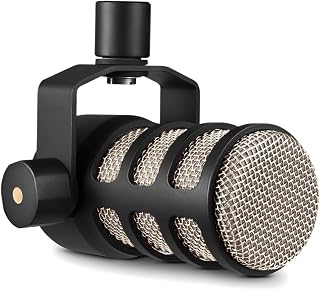
The RODE PodMic is a professional-grade dynamic microphone purpose-built for podcasters, streamers, and content creators who demand broadcast-quality audio. Unlike USB microphones that compromise on sound for convenience, the PodMic delivers true cardioid performance through XLR connectivity, making it the choice for creators serious about their audio foundation.
What sets the PodMic apart is its thoughtful engineering for real-world use. The internal pop filter tackles plosives without bulky external accessories, while the shock mounting isolates desk vibrations and handling noise. The cardioid pickup pattern excels at rejecting room noise, background fans, and traffic, making it highly forgiving in untreated home studios. Users consistently report that voices sound clear, professional, and broadcast-ready straight out of the box.
Build quality is exceptional for the price. The all-metal construction feels substantial and robust, with a sleek black finish that complements professional setups. The included swing mount integrates cleanly and offers solid adjustability. The microphone's weight, while noticeable, reflects quality materials and is a feature rather than a flaw for those planning long-term use.
The main consideration is the XLR requirement. This microphone is not plug-and-play for USB-only setups, meaning you'll need an audio interface, mixer, or RODECaster. However, this is a design choice that enables superior audio quality, not a limitation. If you're already investing in your audio setup, the PodMic pairs perfectly with quality interfaces in any budget range.
For podcasters, streamers, and voiceover artists seeking professional audio quality at a fair price, the RODE PodMic delivers exceptional value. It's a workhorse microphone built to perform night after night while sounding significantly better than USB alternatives costing the same amount.
Connectivity and Design: XLR connector with unidirectional cardioid pickup pattern. All-metal body with integrated pop filter and shock mounting. Weighs approximately 937g (2.06 lbs) with dimensions of 9 x 6 x 4 inches. Impedance of 150 ohms.
Audio Performance: Frequency response spans 20Hz to 20kHz with 78dB signal-to-noise ratio. Dynamic capsule tuned for speech frequencies with effective background noise rejection. Single-channel mono output suitable for any standard XLR audio interface or mixer.
What's Included: PodMic microphone with integrated swing mount. Compatible with standard XLR cables and any professional audio interface. Two-year manufacturer warranty covers hardware defects and provides peace of mind with your investment.
Is the PodMic right for you? Choose the PodMic if you're setting up a podcast, Twitch stream, or YouTube channel with a dedicated audio interface or mixer. It excels for home studios and semi-professional environments where audio quality matters but installation complexity should remain minimal.
Audio Interface Requirements: You'll need an XLR-compatible audio interface such as the RODE AI-1, Focusrite Scarlett, PreSonus Quantum, or the RODECaster Pro. These interfaces provide phantom power, XLR connectivity, and USB output for your computer. Budget between $100-$300 for a quality entry-level interface to pair with this microphone.
Arm and Mounting: The included swing mount is functional, but many users upgrade to a quality boom arm for desk-based setups. A sturdy arm like the RODE PSA1 (compatible) or similar accommodates the PodMic's weight and provides flexible positioning.
Alternatives: If you require USB plug-and-play connectivity without an audio interface, RODE offers the PodMic USB variant. For budget-conscious buyers seeking XLR mics, consider comparing with the Audio-Technica AT2020 or Shure SM7B, though the PodMic's speech optimization and noise rejection offer strong value in this category.

Pros
- Auto Level Mode eliminates constant gain adjustments, perfect for dynamic content creation and remote interviews
- Real-time denoiser keeps vocals crisp while filtering ambient noise, ideal for home studios and imperfect recording spaces
- Versatile connectivity accommodates both beginners with USB-C and professionals requiring XLR integration
- LED touch panel adds visual appeal while serving practical functions for muting and level monitoring during live sessions
- Included stand and accessories provide everything needed to start recording immediately without additional purchases
Cons
- The LED customization and app-based controls may feel like overkill for users who simply want straightforward plug-and-play functionality
- Requires the MOTIV Mix app to access full customization features, adding a software dependency for optimal performance
The Shure MV7+ is a hybrid dynamic microphone engineered for modern content creators who demand professional audio without the complexity of traditional studio setups. Whether you're podcasting, streaming on YouTube, gaming, or conducting remote interviews, this microphone bridges the gap between consumer convenience and professional performance.
What truly sets the MV7+ apart is its intelligent Auto Level Mode, which dynamically adjusts gain based on your voice volume and distance from the mic. Move closer or lean back, and the microphone adapts automatically, eliminating the frustrating volume inconsistencies that plague many home recordings. Paired with real-time noise reduction and Voice Isolation Technology, this mic filters background noise, fan hum, and room echo while keeping your vocals pristine and detailed.
The design is polished and professional, featuring a customizable 16.8 million color LED touch panel that serves dual purposes: it looks visually striking during streams and provides real-time audio level monitoring and mute control. The included adjustable desktop stand, foam windscreen, and USB-C cable mean you're equipped to start recording immediately. The metal construction feels durable and broadcast-quality, reflecting Shure's engineering heritage.
The dual USB-C and XLR connectivity is genuinely flexible. USB-C offers immediate plug-and-play functionality for laptops and streaming setups, while XLR compatibility lets you integrate into professional studio chains without adapters or compromise. Built-in reverb effects add production value without post-editing time.
The main consideration is price: at $319, this mic targets serious creators rather than casual hobbyists. Some users may also find the app-dependent customization overkill if they prefer simple, straightforward operation. For anyone prioritizing audio quality and flexibility over budget, however, the MV7+ delivers exceptional value and performance.
The Shure MV7+ is ideal for podcasters, YouTube creators, and live streamers who record in less-than-perfect home environments and need consistent, professional audio without constant tweaking. It's also excellent for remote workers handling video calls, musicians recording demos, and content creators who want to upgrade from entry-level USB mics.
If you're a casual user looking for a basic microphone or operating on a tight budget, consider entry-level alternatives. If you're a professional studio engineer requiring XLR-only workflows, you may want a dedicated XLR condenser mic. But if you value flexibility, intelligent audio processing, and broadcast-quality results with minimal post-production, the MV7+ is worth the investment.
Connectivity: USB-C and XLR for hybrid flexibility
Polar Pattern: Unidirectional to isolate your voice and reduce side and rear noise
Signal-to-Noise Ratio: 65 dB for clean, detailed audio
Frequency Response: 50 Hz for full vocal presence
Audible Noise: 20 dB for quiet background operation
Compatible With: Windows 10, macOS 12, and OBS Studio
Included Accessories: Foam windscreen, 3m USB-C cable, adjustable desktop stand
Warranty: 2-year limited manufacturer coverage

Pros
- Exceptional vocal clarity with smooth, warm tone that sounds professional on first use
- Highly effective at isolating your voice and rejecting ambient noise and room reflections
- Durable all-metal construction designed to withstand years of heavy studio and streaming use
- No phantom power requirement simplifies setup and compatibility with any audio interface
- Includes all necessary accessories for immediate deployment without additional purchases
Cons
- Requires at least 60dB of gain from your audio interface to achieve its signature warm tone, which may require a quality preamp
- Heavier than some competing options at 2.7 pounds, requiring a sturdy mic stand or arm
- Premium price point makes it an investment for hobbyists, though justified by its professional-grade durability and sound quality
The Shure SM7B is a professional dynamic microphone engineered for creators who demand broadcast-quality audio. This is the microphone you'll find in recording studios, broadcast facilities, and the streaming setups of professional content creators. If you're serious about podcasting, music production, voiceover work, or live streaming, the SM7B delivers the vocal clarity and build quality to match your ambitions.
The standout feature is its warm, natural vocal reproduction. The wide-range frequency response captures every detail of speech and singing without harshness or listener fatigue. The precise cardioid pickup pattern combined with air suspension shock isolation works exceptionally well at keeping your voice front and center while rejecting background noise, handling vibrations, and room reflections. Built-in pop filtering and the included detachable windscreen handle plosives and wind noise, delivering clean, polished audio suitable for broadcast without needing additional equipment.
Build quality is exceptional. The all-metal chassis feels substantial and professional, designed to withstand constant use in demanding environments. Advanced electromagnetic shielding prevents unwanted hum and interference, ensuring your audio remains clean regardless of where you're recording. The included accessories, close-talk windscreen, foam windscreen, and locking yoke mount, provide everything needed for immediate professional deployment.
One realistic consideration: the SM7B requires at least 60dB of gain to achieve its signature warm, balanced tone. This means pairing it with a quality audio interface or preamp with sufficient gain staging. Additionally, at 2.7 pounds, it's heavier than some competitors and demands a sturdy mic stand or arm. These aren't drawbacks so much as requirements for optimal performance.
The Shure SM7B represents a significant investment, but it's the choice of professionals for a reason. If you're building a serious content creation or recording setup, this microphone delivers consistent, reliable broadcast-ready audio that will serve you for years.
Connectivity and Audio: XLR connector, unidirectional cardioid polar pattern, 150 ohm impedance, 60dB signal-to-noise ratio, 20Hz to 20kHz frequency response.
Power and Design: Does not require phantom power, no batteries needed for operation. Rugged all-metal construction with advanced electromagnetic shielding. Item weight 2.7 pounds, dimensions 13.5 x 7 x 4.5 inches.
Included Accessories: Close-talk windscreen, foam windscreen, locking yoke mount. Backed by 2-year limited warranty from Shure.
Who Should Buy: Professional podcasters, broadcasters, studio musicians, voiceover artists, content creators, and streamers who require consistent, broadcast-quality vocal clarity and are willing to invest in a microphone that will last for years.
Best Use Cases: Music production, vocal recording, podcasting, live streaming, broadcasting, voiceover work, gaming commentary, and any application where vocal clarity and noise rejection are priorities.
Setup Requirements: Pair with an audio interface or mixer that provides at least 60dB of gain for optimal performance. Works with any XLR-compatible equipment. Requires a sturdy mic stand or boom arm due to its weight and the importance of proper positioning for its cardioid pattern to work effectively.
Alternative Consideration: If budget is a primary concern or you need a lighter microphone, research alternatives in the dynamic vocal category. If you need wireless capability, the SM7B is wired-only. For most serious creators, however, the SM7B's reliability, sound quality, and durability justify the investment.

Pros
- Professional-grade cardioid pattern effectively isolates vocals from stage noise
- Compact, lightweight design at 15.68 ounces makes it easy to hold for extended periods
- Metal construction feels solid and durable, built to last through frequent use
- Includes essential accessories: mic clip and padded carrying pouch
- Excellent value for a Sennheiser-branded dynamic microphone at this price point
Cons
- Requires one AAA battery for operation, which adds ongoing maintenance cost and potential downtime if depleted
- No on-board controls beyond the mute switch, limiting functionality compared to some competing models
- Limited customer reviews available, making it harder to assess long-term reliability from user experience
The Sennheiser XS 1 is a handheld dynamic microphone designed for vocalists, speakers, and content creators who need reliable audio capture in live and studio environments. Built by a trusted audio manufacturer with decades of experience, this cardioid mic delivers professional sound quality at an accessible price point.
The standout feature is its cardioid polar pattern, which focuses on capturing sound directly in front of the microphone while rejecting noise from the sides and rear. This makes it ideal for stage performances, outdoor recording, and any situation where background noise is a concern. The integrated silent mute switch gives you convenient control without fumbling with separate hardware, and the 103 dB signal-to-noise ratio ensures your vocals or speech come through clear and crisp.
Build quality is solid throughout. The metal enclosure feels durable enough to handle regular use in venues, studios, and travel. At just over a pound, it balances weight and structural integrity well, making it comfortable to hold during extended performances. The included mic clip and padded carrying pouch are practical additions that add real value to the package.
One consideration is the single AAA battery requirement for operation. While this powers the microphone, it means you'll need to monitor battery levels and have replacements on hand. The mic also lacks advanced on-board controls, so you'll manage most adjustments through your mixer or audio interface instead.
The Sennheiser XS 1 is an excellent choice for anyone stepping into live performance, podcasting, or streaming who wants a dependable, well-built microphone without premium pricing. Its cardioid design and solid construction make it a worthy option that will serve you reliably in most applications.
Connectivity: XLR-3 connector
Polar Pattern: Cardioid (unidirectional)
Microphone Type: Dynamic handheld
Signal-to-Noise Ratio: 103 dB
Power Source: 1 AAA battery (corded electric)
Color: Black
Material: Metal enclosure
Weight: 15.68 ounces
Dimensions: 7.87 x 1.69 x 8.31 inches
Recommended Use: Singing, speech
Warranty: 2 years
Included Accessories: Mic clip, carrying pouch
Perfect For: Live performers, wedding DJs, karaoke enthusiasts, podcast hosts, content creators, event coordinators, worship musicians, and anyone needing a reliable handheld microphone for vocals or speech.
Compatible With: Audio mixers, amplifiers, karaoke machines, radio equipment, PA systems, and any XLR-compatible audio interface or recording setup.
Use Cases: Stage performances, live events, studio recording, podcasting, streaming, rehearsals, presentations, and home recording studios.
Pros
- Excellent noise rejection reduces ambient noise without sacrificing vocal clarity
- Works directly with any XLR interface, eliminating extra gear purchases
- Speech-focused capsule captures warm, detailed vocals ideal for talking content
- Sturdy metal construction and included mount make it ready to use immediately
- Strong 4.7-star rating reflects solid real-world performance and reliability
Cons
- Requires an XLR audio interface and cable, not compatible with USB-only setups
- Limited frequency response compared to condenser mics may not suit music production
- Cardioid pattern is forgiving but not as rejection-focused as supercardioid alternatives
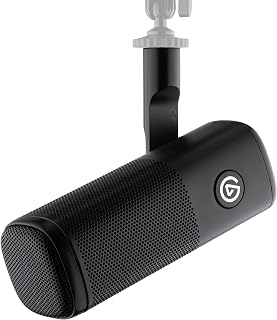
The Elgato Wave DX is a dynamic XLR microphone built for streamers, podcasters, and content creators who need broadcast-quality audio without the complexity of professional studio gear. Its speech-optimized capsule captures vocal detail and warmth while naturally rejecting room noise, making it a practical choice for home studios and hybrid work setups.
Where the Wave DX truly stands out is its combination of noise rejection and accessibility. The cardioid polar pattern gives you a wide, forgiving acceptance angle so you don't have to position the mic perfectly, while the dynamic capsule actively suppresses background chatter and echo. Unlike condensers that pick up every room sound, this mic focuses on what matters: your voice.
Build quality is solid throughout. The metal enclosure feels premium without being fragile, and the included swivel mount with multiple thread adaptors means you're streaming within minutes of unboxing. At just over 400 grams, it's light enough to position easily but substantial enough to feel professional. The XLR connector is industry-standard, so it integrates seamlessly with any audio interface you already own or plan to buy.
The main trade-off is that you'll need an XLR interface and cable to use it, which adds upfront cost if you're starting from scratch. Additionally, its 50Hz to 15kHz frequency response is narrower than a condenser mic, so it's optimized for speech rather than full-spectrum music production. These aren't drawbacks for the target audience, just honest limitations to consider.
The Wave DX delivers on its promise: broadcast-ready audio that cuts through room noise and captures your voice with clarity and character. For creators prioritizing ease of use and reliable performance over studio versatility, it's a smart, well-reviewed choice.
Capsule: Dynamic, premium grade. Polar Pattern: Cardioid (unidirectional). Frequency Response: 50Hz to 15kHz. Sensitivity: 2.5 mV/Pa, -52 dBV/Pa. Impedance: 600 ohm. Signal-to-Noise Ratio: 60 dB. Audible Noise: 10 dB.
Connector: 3-pin XLR. Dimensions: 53 x 53 x 146 mm (2.09 x 2.72 x 7.32 inches). Weight: 407 grams (0.9 lbs). Mount: 5/8" with 3/8" and 1/4" thread adaptors included.
Included Accessories: Swivel mount with multiple thread adaptors, quick start guide. Requirements: XLR audio interface, XLR cable (3-pin), optional mic stand or boom arm. Warranty: 2-year manufacturer warranty.
Ideal For: Streamers, podcasters, voice-over artists, and content creators who need reliable microphone performance without studio complexity. Perfect if you already own an XLR audio interface or plan to invest in one.
Best Choice If: You prioritize noise rejection, natural-sounding speech, and ease of setup. You want broadcast-ready quality without overspending. You're tired of picking up every background noise with a USB condenser.
Skip If: You're building a music production studio and need wide frequency response. You only have USB connections available. You need a ultra-compact or wireless solution.
Pros
- Delivers transparent, detailed audio capture across vocals, acoustic instruments, and drum recording
- Exceptional value for the price in the side-address condenser microphone category
- Proven reliability and industry trust, ranked #12 in multipurpose condenser microphones
- Rugged build quality ensures long-term durability in project and professional studios
- Effective cardioid pattern minimizes background noise and room reflections
Cons
- Requires phantom power via audio interface or mixing console, limiting portable recording options
- XLR connectivity requires additional cables and audio interface, not plug-and-play for casual users
- Cardioid pattern, while excellent for isolation, may require closer mic placement for optimal results
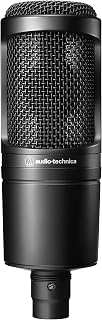
The Audio-Technica AT2020 is a cardioid condenser microphone designed for project studios, home recording, and content creation. It's engineered for musicians, podcasters, voice actors, and engineers seeking studio-quality audio without premium pricing. The AT2020 delivers transparency and accuracy that belies its accessible price point.
The standout feature is its custom-engineered low-mass diaphragm, which provides extended frequency response and superior transient response. This means vocals capture detail and clarity, acoustic instruments reveal natural timbre, and drums punch through with precision. The microphone handles high SPLs and maintains performance across a wide dynamic range, making it genuinely versatile for different recording scenarios and sources.
Build quality is solid. The metal enclosure feels rugged and professional, designed to withstand years of studio use. The integral 3-pin XLR connector is industry-standard, and the cardioid polar pattern effectively isolates your sound source while rejecting pickup from the sides and rear, reducing room noise and reflections.
The main limitation is that phantom power is required, so you'll need an audio interface or mixing console. Additionally, the cardioid pattern performs best with closer mic placement, which may require some adjustment during your initial setup. There's also a learning curve if you're new to XLR-based recording systems.
The AT2020 is the logical choice for anyone building a home studio or upgrading from entry-level USB microphones. It's earned its reputation as the price-to-performance standard in side-address condensers and remains relevant after decades on the market.
Connectivity: Wired XLR (3-pin XLRM)
Polar Pattern: Cardioid (unidirectional)
Frequency Response: 20 Hz and above
Signal-to-Noise Ratio: 74 dB
Audio Sensitivity: 37 dB
Impedance: 200 ohm
Power Source: Phantom Power (48V)
Enclosure: Metal construction
Weight: 0.6 kg
Warranty: 2 years on parts and labor
Ideal for: Home studio recording, project studios, podcasters, voice actors, musicians recording vocals and acoustic instruments, content creators upgrading from USB microphones.
Requires: Audio interface with phantom power, XLR cables, microphone stand, pop filter or windscreen (sold separately).
Not ideal for: Portable recording without professional gear, plug-and-play simplicity seekers, users without audio interface equipment.

The dual USB/XLR connectivity makes this dynamic microphone ideal for streamers who want flexibility without buying separate gear. Its unidirectional polar pattern isolates your voice while rejecting keyboard noise and room echo, critical for clean gaming audio. The built-in headphone jack with monitoring volume control lets you hear yourself in real time, preventing audio issues mid-stream. RGB lighting adds visual flair to your setup, and the mute function gives instant control during broadcasts.
Pros
- Excellent value for money with professional sound quality that rivals microphones costing twice as much
- Easy setup with USB connection makes it ideal for beginners, while XLR option scales with your needs
- Natural, balanced frequency response (50Hz-16KHz) avoids the over-exaggerated bass of cheaper gaming mics
- Solid build quality with stable desktop stand and premium feel at its price point
- Independent mute control and headphone monitoring reduce the need for software tweaking during streams
Cons
- XLR cable and boom arm not included, requiring additional purchases for full professional setup
- RGB lighting only works in USB mode, not when using XLR connection with external audio interfaces
- May pick up room echo or ambient noise in larger spaces unless you position it close (2-6 inches recommended)
The FIFINE AmpliGame AM8 is a dual-connectivity dynamic microphone designed for gamers, streamers, content creators, and podcasters who want broadcast-quality audio without spending hundreds of dollars. It bridges the gap between casual USB mics and professional studio gear, making it perfect for anyone transitioning from headset microphones or entry-level options to something more serious.
The standout feature is its flexibility. Plug it into any USB port and you're recording immediately with full RGB control, gain adjustment, and real-time monitoring. As your setup grows, swap to an XLR connection with a mixer or audio interface for studio-grade sound quality and routing options. The cardioid polar pattern excels at isolating your voice while rejecting unwanted room noise, keyboard clicks, and mouse movements, which reviewers consistently praise as a major upgrade over gaming headsets.
Build quality impresses at this price. The microphone feels solid with its metal and ABS plastic construction, the desktop stand is stable and adjustable, and the included windscreen effectively reduces electrical hum. The 6.5ft cable provides enough reach from a PC tower, and the built-in mic stand threads eliminate the need for an adapter. The LED mute button is genuinely useful, offering one-touch privacy control that works outside your streaming software.
A few limitations warrant mention. The XLR connection disables RGB lighting and function keys, which some may find disappointing when connecting to an audio interface. You'll need to purchase an XLR cable and potentially a boom arm separately. In larger rooms, the microphone may pick up echoes unless positioned close, and it will capture keyboard and mouse noise if your desk isn't isolated.
Verdict: The FIFINE AM8 delivers exceptional performance and value for creators on a budget. Whether you're starting your first YouTube channel, streaming competitively, or recording podcast episodes, this microphone sounds professional, feels durable, and grows with your ambitions. Highly recommended for anyone seeking quality sound without breaking the bank.
Best for gamers upgrading from headset microphones, beginner content creators and YouTubers, streamers on Twitch or YouTube, podcasters recording remotely, and anyone needing both USB convenience and future XLR expandability without paying premium prices.
Not ideal if you need a condenser mic for singing/vocals, want studio-quality sound for professional music production, or are setting up in noisy environments without acoustic treatment.

Pros
- All essential accessories included at this price point, saving $60+ on separate purchases
- Crystal-clear audio quality when paired with proper phantom power supply or audio interface
- Sturdy boom arm with solid desk clamp that holds position without excessive tightening
- Effective cardioid pickup pattern reduces ambient noise and side-channel interference
- Compact design works well in small spaces and doesn't require extensive setup
Cons
- Requires 48V phantom power source (audio interface, mixer, or separate power supply) to operate
- Boom arm range of motion is somewhat limited compared to premium models
- Not ideal for music production or singing, better suited for speech and streaming
The TONOR TC20 is a professional-grade XLR condenser microphone designed for streamers, podcasters, content creators, and home studio enthusiasts. It arrives as a complete kit with everything needed to get started, making it ideal for beginners and upgraders alike who want studio-quality sound without breaking the bank.
The microphone features a cardioid polar pattern that excels at isolating your voice while rejecting background noise from the sides and rear, making it perfect for gaming streams, Discord calls, Zoom meetings, and podcast recording. Users consistently report crystal-clear audio quality, especially when connected to a proper audio interface or phantom power supply. The low-noise FET preamplifier and wide dynamic range deliver warm, natural tones suitable for any speaking application.
Build quality is solid throughout the kit. The steel boom arm includes a large desk clamp with 4x contact area for a secure grip on desks up to 60mm thick. The metal shock mount effectively isolates the microphone from desk vibrations and handling noise. All components feel well-engineered and built to last, backed by a two-year warranty.
The main limitation is that this condenser mic requires external 48V phantom power to function, so you'll need an audio interface, mixer, or dedicated power supply. Additionally, while excellent for speech and streaming, the TC20 isn't optimized for singing or professional music production where a studio condenser mic with flatter response might be preferred.
For the price, the TC20 represents outstanding value. You get professional sound, premium accessories, and reliable performance in a complete package. Whether you're starting your first stream or upgrading from a USB mic, this kit delivers on quality and practicality.
Technical Specs: Connectivity: XLR / Connector Type: XLR / Polar Pattern: Cardioid (Unidirectional) / Impedance: 2200 ohm / Frequency Response: 18 kHz / Signal-to-Noise Ratio: 78 dB / Audible Noise: 78 dB / Power Source: 48V Phantom Power / Form Factor: Table Array / Item Weight: 1,900g / Dimensions: 5.91 x 1.77 x 1.77 inches
Package Contents: 1x TC20 Condenser Microphone / 1x T20 Suspension Boom Arm / 1x Metal Shock Mount / 1x Pop Filter / 1x Microphone Cover / 1x XLR Cable (2 meters) / 4x Cable Ties / 1x User Manual
Boom Arm Specs: Steel construction with desktop clamp / Maximum desk thickness: 60mm (2.4 inches) / Maximum microphone weight capacity: 1.8kg (4 lbs)
Who Should Buy: This kit is perfect for streamers, podcasters, voice-over artists, content creators on YouTube, online educators, and anyone building a home studio for the first time. It's especially suited for budget-conscious buyers who don't want to compromise on quality.
What You Need to Know: This microphone requires 48V phantom power to work. Most USB audio interfaces, XLR mixers, and preamps include phantom power. If your current setup doesn't support it, budget an additional 30 to 100 dollars for a phantom power supply. The boom arm is shorter than some professional options, so positioning may require some desk space optimization.
Setup Tips: Pair the TC20 with a quality audio interface for the best results. The shock mount and pop filter work together to minimize plosives and vibration noise. Position the microphone 6 to 8 inches from your mouth at a slight angle for optimal sound. Adjust boom arm positioning before tightening to avoid constant readjustment.
Real-World Performance: Users report excellent clarity for gaming, podcasting, and streaming applications. Audio remains crisp even with background noise like game explosions or room activity. The included accessories rival premium options sold separately, providing exceptional value.
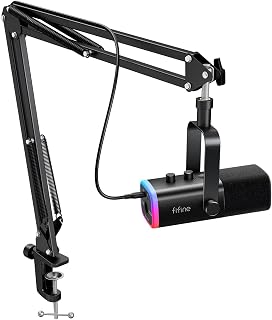
This kit delivers everything a streaming setup needs in one package, combining USB convenience with professional XLR output for audio interfaces or mixers. The dynamic capsule with unidirectional pickup captures clear voice while minimizing background noise from your gaming rig. Controllable RGB lighting integrates with streaming aesthetics, and the headphone jack with dedicated volume control ensures you can monitor audio quality without latency. The mute function provides quick control when you need to step away during live broadcasts.
Pros
- Plug-and-play USB setup requires no drivers or software installation
- Includes everything needed to start streaming or recording immediately
- Cardioid polar pattern effectively minimizes ambient noise and room echo
- Headphone jack with volume control enables real-time monitoring without latency
- Boom arm stand offers smooth positioning and angle adjustment for optimal mic placement
Cons
- XLR cable sold separately, requiring additional purchase for mixer connections
- Desk clamp limited to desks thinner than 2 inches, which may not fit all desk types
- RGB lighting requires manual button control rather than software integration for some users
The FIFINE AmpliGame AM8T is a dual-connectivity dynamic microphone designed for gaming, streaming, podcasting, and voiceover work. It bridges the gap between casual USB streamers and professionals needing XLR flexibility, making it an excellent choice for creators transitioning from basic setups to more advanced audio workflows.
What sets the AM8T apart is its thoughtful feature set that prioritizes ease of use. The 80dB signal-to-noise ratio and cardioid polar pattern capture clear, focused vocals while naturally rejecting room noise and background chatter. USB plug-and-play functionality means you stream immediately on Windows or Mac without driver installation, while XLR connectivity opens doors to mixer and audio interface integration for more sophisticated setups.
Build quality is solid throughout. The included boom arm stand uses sturdy metal construction with elastic springs that hold the microphone securely without sagging. The C-clamp features an anti-scratch pad and accommodates desks up to 2 inches thick. The microphone itself comes with a windscreen to filter plosive sounds during vocal recording, and the customizable RGB lighting adds visual appeal without requiring complicated software adjustments.
A few practical considerations matter here. The XLR cable is not included, so XLR users need to purchase one separately. The desk clamp may not work with thicker desks or unconventional mounting surfaces. For streamers seeking maximum software control over RGB effects, the physical button control approach may feel limited compared to software-managed alternatives.
The AM8T represents genuine value for content creators at this price point. It delivers professional audio quality with versatile connectivity and thoughtful accessories, backed by a 1-year warranty. Whether you are starting your streaming journey or upgrading from entry-level gear, this microphone kit handles the job competently.
Audio Specifications: Frequency range 50Hz-16kHz, cardioid polar pattern, 80dB signal-to-noise ratio, -50dB sensitivity. Powered via USB for both connectivity and power on PC/Mac.
Physical Design: Black ABS plastic and metal construction, approximately 1 kg weight. Boom arm stand measures 12.6 x 4.72 x 1.97 inches with adjustable positioning and C-clamp. Accommodates desks up to 2 inches thick.
Connectivity and Ports: USB-C and XLR connectors, 3.5mm headphone jack with independent volume control, mute button with LED indicator, gain knob for level adjustment. Includes 8.2ft USB-C to USB cable, windscreen, and user manual.
Ideal For: Twitch and YouTube streamers, podcast producers, content creators, voice actors, musicians recording demos, remote workers, and gaming enthusiasts seeking broadcast-quality audio.
Best Use Cases: Live streaming, podcast recording, voiceover projects, home studio setup for vocalists and instruments, remote meeting audio upgrade, gaming content creation with OBS or Streamlabs.
May Not Be Best For: Users exclusively needing XLR connections without USB backup, those with desks thicker than 2 inches, or creators requiring advanced RGB software customization features built directly into the microphone.

Pros
- Exceptional value: complete streaming and podcast solution with all essential accessories included
- Flexible connectivity allows easy switching between USB plug-and-play and professional XLR setups
- Effective noise isolation through cardioid pattern and shock mount system produces noticeably cleaner audio
- Intuitive onboard controls make real-time adjustments simple during live streams or recordings
- Sturdy metal boom arm and components ensure long-term durability and reliable performance
Cons
- XLR mode disables onboard controls, requiring external mixer or audio interface for adjustments
- Narrow frequency response cap at 16KHz may not capture ultra-high frequencies needed for certain music production
- Desk clamp requires desks under 2 inches thick, limiting placement flexibility for thicker surfaces
The FIFINE K688CT is a comprehensive microphone kit designed for content creators who demand professional audio quality without enterprise-level investment. Whether you're launching a podcast, streaming gameplay, recording voiceovers, or hosting video conferences, this kit delivers the core features that separate amateur recordings from polished productions. The inclusion of a metal boom arm, shock mount, windscreen, and all connectivity cables makes this an immediately ready-to-use solution.
Performance stands out where it matters most: sound quality. The 130dB SPL dynamic microphone with unidirectional cardioid pattern actively rejects ambient noise, ensuring your voice remains the focal point. Real-world recording within the recommended 2 to 6-inch distance produces clear, distortion-free vocals. The included shock mount and windscreen effectively eliminate desk vibrations and harsh plosive sounds, while the durable metal boom arm maintains consistent mic placement away from your desk surface. Onboard controls including tap-to-mute, gain adjustment, and headphone monitoring jack give you immediate feedback during sessions.
The dual connectivity approach offers genuine flexibility. USB mode provides plug-and-play convenience for immediate recording on Windows or Mac computers with full onboard control access. XLR mode opens professional possibilities when paired with audio interfaces or mixing boards, though note that function keys are disabled in XLR mode and controlled through external gear instead. This design serves both beginners exploring podcasting and experienced producers with existing studio equipment.
A few constraints merit consideration. The desk clamp accommodates surfaces under 2 inches thick, which may exclude users with particularly thick or glass desks. The 16KHz frequency ceiling adequately covers vocal and streaming use cases but falls short for precision music production requiring extended high-frequency capture. Additionally, the relatively compact 80dB signal-to-noise ratio is serviceable rather than exceptional for highly demanding studio environments.
The FIFINE K688CT represents smart value for creators entering streaming or podcasting who want reliable audio without breaking their budget. Its proven 4.5-star track record reflects genuine user satisfaction. The complete kit approach eliminates guesswork about compatibility and additional purchases. For beginners and intermediate creators, this microphone delivers measurable audio improvements that justify its modest investment.
Connectivity: USB-C to USB-A cable and XLR connectors included
Microphone Type: Dynamic, unidirectional cardioid pattern
Audio Performance: 130dB SPL, 80dB signal-to-noise ratio, 50Hz-16KHz frequency response
Controls: Tap-to-mute button, gain knob, headphone monitoring jack with volume control (USB mode only)
Physical: Metal construction, 1.31 kg weight, includes 3/8 inch to 5/8 inch adapter and C-clamp desk mount
Compatibility: PC, Mac, audio interfaces, mixing boards, compatible with gaming, streaming, podcasting, and video conferencing applications
Warranty: 1 year manufacturer warranty
Podcasters: Complete kit with boom arm and noise suppression delivers broadcast-quality vocals for solo or multi-person shows
Content Streamers: USB plug-and-play setup launches immediately on Twitch, YouTube, or Discord without driver complications
Voiceover Artists: Cardioid pattern and shock mount eliminate background interference for clean narrative tracks
Gamers: Affordable entry point into clear team communication during online gaming sessions
Beginners with Budget Constraints: All-in-one kit eliminates expensive component purchases and compatibility decisions
Buying Guide: How to Choose the Best XLR Microphone for Streaming
Dynamic vs. Condenser: Which Polar Pattern Works for Your Space
Dynamic microphones like the RØDE PodMic Cardioid Dynamic Broadcast Microphone excel in untreated rooms because they reject background noise and focus on your voice. They require more gain but handle loud sources without distortion, making them ideal for energetic streamers or rooms with AC noise.
Condenser mics like the Audio-Technica AT2020 Cardioid Condenser Studio capture more detail and high-frequency clarity, perfect for ASMR, singing, or voiceover work. They demand quieter environments and 48V phantom power, but the added sensitivity brings studio-quality warmth to your streams.
Gain Requirements and Interface Compatibility
Not all audio interfaces provide enough gain for every microphone. The Shure SM7B Dynamic Vocal Microphone for Podcasting demands 60dB or more of clean gain, often requiring a cloudlifter or high-output preamp to avoid hiss.
Budget interfaces work fine with efficient mics like the Elgato Wave DX Dynamic XLR Microphone, which outputs strong signal levels without needing extra amplification. Match your mic’s sensitivity to your interface’s capabilities to avoid cranking the gain knob and introducing noise.
Build Quality and Shock Mounting
All-metal construction ensures your investment lasts through years of daily streaming. The Shure MV7+ USB-C & XLR Podcast Dynamic Mic features rugged housing and internal shock mounting that isolates handling noise and desk vibrations without extra accessories.
Budget mics may skip internal suspension, requiring external shock mounts to prevent thumps from keyboard strikes or table bumps. If you’re setting up a budget gaming rig, factor in the cost of a boom arm and shock mount when comparing options.
Additional Features: USB Fallback and RGB Lighting
Hybrid USB/XLR microphones like the FIFINE AmpliGame AM8 USB/XLR Dynamic Microphone let you start with plug-and-play simplicity and upgrade to an audio interface later. The USB mode activates onboard controls like tap-to-mute and RGB lighting, while XLR mode prioritizes pure analog signal flow.
RGB lighting syncs with modern gaming setups but adds no sonic benefit. If aesthetics matter for your stream overlay, the FIFINE AmpliGame AM8T XLR/USB Gaming Microphone offers customizable lighting without sacrificing audio quality.
Final Thoughts
Choosing the best XLR microphone for streaming comes down to your room acoustics, interface capabilities, and whether you prioritize detail or noise rejection. For streamers in untreated spaces who want immediate broadcast quality, the RØDE PodMic delivers rich, balanced audio straight out of the box. If you need hybrid connectivity with onboard controls for a beginner-friendly upgrade path, the Shure MV7+ combines USB convenience with XLR expandability and studio-grade clarity.
Frequently Asked Questions
Do I need an audio interface to use an XLR microphone for streaming?
Yes, XLR microphones require an audio interface or mixer with XLR inputs and phantom power for condenser mics. Budget interfaces like the Focusrite Scarlett Solo provide enough gain for most dynamic mics, while the SM7B demands higher-output preamps. Hybrid USB/XLR mics let you start without an interface and upgrade later.
Why do streamers prefer dynamic microphones over condenser mics?
Dynamic mics reject background noise from keyboards, mouse clicks, and room reflections better than condensers, making them ideal for untreated streaming setups. They handle high sound pressure levels without distortion, perfect for energetic commentary. Condenser mics capture more detail but require quieter environments to avoid picking up ambient sound.
Can I use an XLR microphone with OBS or Streamlabs in 2026?
Absolutely. Your audio interface shows up as an input device in OBS, Streamlabs, or any streaming software. Route the interface output to your streaming app, adjust levels in the mixer panel, and apply filters like noise suppression or compression. Some interfaces include direct monitoring, letting you hear yourself in real time without latency.
What accessories do I need besides the microphone and interface?
You’ll need an XLR cable to connect the mic to your interface, a boom arm or desk stand to position it near your mouth, and a shock mount if your mic lacks internal suspension. A pop filter reduces plosives, while a windscreen blocks breath noise. If you’re building a complete streaming station around a high-performance motherboard, budget for these accessories upfront to avoid audio issues later.



Write Your Review
No reviews yet. Be the first to share your experience!