

Your computer feels sluggish. Programs take forever to load, games stutter during level transitions, and file transfers crawl along at a snail’s pace. The culprit is often your storage drive, and upgrading to an NVMe SSD transforms your system without requiring a complete rebuild. If you’re working with a budget around $150, you’ll find excellent options that deliver read speeds exceeding 2,000 MB/s and capacities up to 1TB.
This guide examines 10 NVMe SSDs that balance performance, endurance, and value. Whether you need a drive for gaming, content creation, or general productivity, these drives represent the strongest options in this category for 2026.
Quick answer
This guide compares 10 picks, with WD Blue SN5100 500GB NVMe SSD PCIe Gen 4.0 M.2 2280 ranked first. Silicon Power 1TB NVMe M.2 PCIe Gen3 SSD - 2,200MB/s has the most customer reviews.

Pros
- Exceptional speed for the price, with Gen 4.0 performance that outpaces most Gen 3 drives
- Compact M.2 2280 form factor works in desktops and laptops without complications
- Proven reliability from SanDisk with a comprehensive 5-year warranty
- Free migration software included, making setup straightforward for first-time SSD buyers
- Excellent value for secondary storage or OS drives on budget builds
Cons
- 500GB capacity fills quickly for users storing large media libraries or game collections
- Newer generation models like the SanDisk Optimus 5100 offer incremental improvements, though this model remains capable
- Limited to M.2 2280 slot compatibility, not suitable for older systems or different form factors
The WD Blue SN5100 is a mainstream NVMe SSD designed for users seeking modern storage speeds without premium pricing. This drive is ideal for anyone upgrading from older SATA SSDs, building a budget gaming PC, or adding reliable secondary storage to an existing system. It delivers real PCIe Gen 4.0 performance while maintaining a consumer-friendly price point.
Performance is where the SN5100 excels. With read speeds reaching 6,600MB/s, this drive accelerates everyday tasks from OS boot times to large file transfers. The SanDisk 3D CBA NAND technology and nCache 4.0 optimization work together to handle sustained workloads without throttling, making this drive reliable for content creators working with video projects or photographers managing large image libraries. Real-world usage shows responsive system behavior and noticeably faster load times compared to SATA alternatives.
Design and build quality are straightforward. The compact M.2 2280 form factor weighs just 5.7 grams and installs into any modern motherboard or laptop with an M.2 slot. The drive is backward compatible with PCIe Gen 3 systems, offering flexibility if you repurpose it in older hardware. Included Acronis True Image software handles data migration painlessly, eliminating the need for additional tools or technical knowledge during setup.
One realistic consideration is the 500GB capacity. While sufficient for OS and applications, users storing extensive media or game libraries will feel the storage ceiling quickly. Additionally, SanDisk has released newer generation models that offer minor speed and efficiency gains, though the SN5100 remains a capable drive that won't become obsolete for years of typical use.
The WD Blue SN5100 is a smart choice for budget-conscious builders and upgraders who want genuine Gen 4.0 performance without overspending. The 5-year warranty and included migration software sweeten the deal, making this an excellent entry point into NVMe technology for desktops and laptops alike.
Storage Capacity: 500GB
Interface: PCIe Gen 4.0 (NVMe)
Form Factor: M.2 2280
Read Speed: Up to 6,600MB/s
NAND Technology: SanDisk 3D CBA NAND
Warranty: 5-Year Limited
Dimensions: 3.14in L x 0.87in W x 0.09in H
Weight: 5.7 grams
Compatibility: Desktop PCs and Laptops with M.2 slots, backward compatible with PCIe Gen 3
Who Should Buy: Budget-conscious builders, first-time SSD upgraders, users adding secondary storage, content creators on a tight budget, and anyone with a modern laptop or desktop needing faster storage than SATA drives provide.
Who Should Reconsider: Users requiring massive storage for media libraries may want a higher capacity model. Professional creators with extreme performance demands might benefit from higher-tier options, though this drive handles most real-world workflows excellently.
Installation Tip: Ensure your system supports M.2 NVMe slots. Consult your motherboard manual to verify PCIe slot availability. Use the included Acronis software to migrate your existing OS and files for a seamless transition.
Value Assessment: The SN5100 offers genuine PCIe Gen 4.0 performance at mainstream pricing. When compared to Gen 3 drives, the speed improvement justifies the modest premium, while compared to higher-tier Gen 4.0 options, you save money while retaining excellent everyday performance.

Pros
- Excellent speed-to-price ratio with competitive 2,400 MB/s sequential reads
- Reliable heatsink design maintains optimal temperatures during intensive use
- Strong encryption and LDPC error correction provide peace of mind for data security
- Works flawlessly on multiple platforms including gaming PCs, workstations, and Linux servers
- Easy setup with automatic firmware management through included SSD ToolBox software
Cons
- PCIe Gen3 interface, while fast, is not the latest Gen4 standard for future-proofing
- Write speeds of 1,800 MB/s trail the read speed, which matters for heavy file transfers
- 1TB capacity fills quickly for content creators working with large video or media files
The ADATA Legend 710 is a high-performance NVMe SSD designed for gaming enthusiasts, content creators, and professionals who demand speed without breaking the bank. This 1TB drive combines fast PCIe Gen3 connectivity with proven reliability, making it suitable for anyone upgrading from slower storage or building a new system.
Performance is the standout here. With sustained read speeds up to 2,400 MB/s and write speeds of 1,800 MB/s, the Legend 710 handles large file transfers, game installations, and creative workflows with impressive speed. The integrated heatsink actively reduces temperatures by 15%, keeping the drive cool during extended use and ensuring consistent performance even under heavy load. Advanced features like SLC caching and Host Memory Buffer technology work behind the scenes to deliver smooth, responsive responsiveness in real-world scenarios.
Build quality is solid throughout. The compact M.2 2280 form factor fits into any standard NVMe slot on modern laptops and desktops. The heatsink is well-engineered without being bulky, and the drive installs effortlessly. Security is a major strength with 256-bit AES encryption and LDPC error correction, protecting your data integrity and privacy across Windows, Mac, and Linux platforms.
The main consideration is that this is a PCIe Gen3 drive in an era when Gen4 and Gen5 drives are becoming mainstream. While still very fast, it may feel dated in 5+ years. Additionally, the 1TB capacity might fill quickly for video editors or data-heavy professionals who should consider larger capacities or additional drives.
Overall, the ADATA Legend 710 delivers excellent value for gamers and creators seeking a reliable, fast storage upgrade without premium pricing. The combination of proven performance, strong security, and cross-platform compatibility make it a smart choice for most users.
Capacity: 1TB
Form Factor: M.2 2280
Interface: PCIe Gen3 x4, NVMe 1.4
Read Speed: Up to 2,400 MB/s
Write Speed: Up to 1,800 MB/s
Cache: 1TB
Security: AES 256-bit encryption, LDPC error correction
Heat Management: Integrated heatsink, 15% temperature reduction
Technology: 3D NAND
Features: SLC caching, Host Memory Buffer (HMB), S.M.A.R.T. monitoring
Compatibility: Windows, Mac, Linux
Model: ALEG-710-1TCS
Weight: 9g

Pros
- Excellent value for entry-level NVMe performance and daily computing tasks
- Shock-resistant build quality provides peace of mind for mobile users and travelers
- Simple installation process makes it accessible for non-technical users
- Comprehensive health monitoring software included at no additional cost
- Strong 4.8-star rating reflects genuine customer satisfaction and reliability
Cons
- Read speeds of 2.4 GB/s are modest compared to high-end NVMe drives on the market
- Limited to PCIe 3.0, so it won't take full advantage of newer PCIe 4.0 motherboards
- Best suited for general use rather than demanding workloads like video editing or 3D rendering
The WD Green SN350 is a practical NVMe SSD designed for everyday users looking to breathe new life into older computers. Whether you're upgrading a laptop, desktop, or building a budget-conscious system, this drive delivers solid performance without premium pricing. It's particularly appealing to students, remote workers, and casual users who need responsive boot times and snappy application loading.
Performance is where the WD Green SN350 shines for its price tier. With read speeds up to 3,200 MB/s and the ability to work up to 4x faster than traditional SATA drives, you'll notice a significant improvement in system responsiveness. The drive handles everyday tasks like web browsing, document editing, and media streaming without breaking a sweat. While it's not built for professional content creation or competitive gaming, it easily outpaces older storage solutions.
The shock-resistant design and solid construction reflect Western Digital's engineering approach to reliability. The slim M.2 2280 form factor fits into any modern system with an NVMe slot, and the installation process takes roughly 10 minutes. The included WD SSD Dashboard software adds transparency by monitoring drive health, temperature, and storage usage, giving you confidence that your drive is operating optimally.
Potential drawbacks are worth acknowledging. The PCIe 3.0 interface means this drive won't fully capitalize on newer PCIe 4.0 systems, and its read speeds of 2.4 GB/s are moderate compared to higher-tier models. If you're handling large video files, running virtual machines, or rendering 3D projects regularly, you may want to consider a more powerful option. For typical daily use, however, these limitations rarely present real-world issues.
The WD Green SN350 earns its 4.8-star rating by delivering reliable performance at an accessible price point. It's an excellent upgrade path for anyone running an aging SATA-based system or looking for affordable NVMe storage. Backed by Western Digital's brand reputation and a 3-year warranty, this drive provides confidence and tangible performance improvements for everyday computing needs.
This drive is ideal for laptop owners upgrading from a mechanical hard drive, desktop builders on a budget, students and professionals needing responsive everyday performance, and anyone looking for a reliable, straightforward storage upgrade without premium pricing or unnecessary features.

Pros
- 2000MB/s reads deliver noticeable real-world speed improvements
- 1.5 million hour MTBF with 5-year warranty coverage
- SLC cache maintains consistent performance over time
- Strong reliability track record from long-term users
Cons
- Formatted capacity approximately 880GB instead of full 1TB
- Mounting screws not included with drive
For anyone shopping high-speed storage without breaking a tight budget, the Timetec 1TB NVMe drive delivers meaningful performance where it counts. Sequential reads hit 2000MB/s and writes reach 1600MB/s, speeds that translate directly into faster boot times and snappier application responsiveness. Users upgrading from older hardware report 3x speed improvements in daily tasks, making this drive a practical choice for breathing life into aging systems. The SLC cache technology maintains consistent performance across sustained workloads while extending overall lifespan. Reliability stands out with a 1.5 million hour MTBF rating and a generous 5-year warranty backing the hardware. Long-term owners report trouble-free operation after years of daily use. Data protection features including ECC, TRIM, and garbage collection help maintain speed over time. The M.2 2280 form factor fits standard slots in modern desktops and laptops. Keep in mind that formatted capacity will show roughly 880GB rather than the full terabyte, which is typical for all SSDs. Installation requires a small Phillips screwdriver since mounting hardware isn't included. This drive represents genuine value for budget builds and system upgrades that need solid speed without luxury pricing.
Capacity: 1TB
Form Factor: M.2 2280
Interface: NVMe PCIe Gen3x4
Max Read Speed: 2000MB/s
Max Write Speed: 1600MB/s
Cache: SLC Cache with 3D NAND
MTBF: 1,500,000 hours
Warranty: 5 years limited
Compatibility: Windows 11, 10, 8.1, 8, 7, Linux 2.6.33+, Backwards compatible with PCIe Gen 2 and Gen 1. Supports Intel and AMD platforms with NVMe 1.3 protocol.
Features: S.M.A.R.T. technology, TRIM command, Garbage Collection, Wear-Leveling, Power Management, RAID support, ECC, LDPC, ONFi 2.3/3.0/3.2/4.0
Budget builders and upgraders looking to replace SATA or mechanical drives will find this drive delivers meaningful speed gains without premium costs. Casual gamers and everyday users benefit from faster boot times and application responsiveness. Skip this if you need cutting-edge Gen4 speeds for professional workloads or handle extremely large file transfers regularly. Power users running intensive creative software should consider higher-tier options with better sustained write performance.
Pros
- 2200MB/s read speeds improve boot and load times significantly
- Compact 8.53g design generates minimal heat
- 600 TBW endurance suits typical consumer usage patterns
- Strong customer ratings reflect reliable real-world performance
Cons
- M-key only, no B-key slot compatibility
- Write speeds can bottleneck demanding file transfer tasks
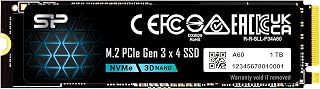
Silicon Power's 1TB NVMe drive fits squarely into the affordable high-speed category with 2200MB/s read performance and 1600MB/s writes. These numbers represent a significant leap over SATA technology, translating into faster system boots and noticeably quicker file operations in everyday use. The PCIe Gen3 x4 interface provides bandwidth headroom for gaming, general productivity, and moderate content work. Endurance sits at 600 TBW, which offers reasonable longevity for typical consumer workloads without matching premium drives designed for heavier use. The compact M.2 2280 form factor weighs just 8.53 grams and generates minimal heat during operation, allowing clean integration into most modern builds. Installation is straightforward for systems with the proper M-key M.2 slot, though you'll need to supply your own mounting screw from motherboard accessories. The drive lacks B-key compatibility, so confirming your system's slot type before purchase is essential. Write speeds become a limiting factor when handling large file transfers or rendering tasks, making this better suited for consumer applications than professional workstation demands. Customer ratings reflect positive real-world reliability. For mainstream users building gaming rigs or upgrading laptops from older storage, this drive balances PCIe speed with budget-conscious pricing effectively.
Storage Capacity: 1TB (1000GB)
Interface: PCIe Gen3x4 NVMe
Form Factor: M.2 2280 (80mm)
Read Speed: 2,200MB/s
Write Speed: 1,600MB/s
Cache Memory: 2GB
NAND Type: TLC
Endurance: 600 TBW
Weight: 8.53g
Dimensions: 3.15 inches L x 0.87 inches W x 0.16 inches Th
Warranty: Manufacturer warranty (whichever occurs first: warranty length or 600 TBW limit)
Connector Type: M-key M.2 slot (B-key not compatible)
Compatible Platforms: Desktop PCs and Laptops with M.2 NVMe support
Mainstream PC builders and laptop upgraders moving from SATA storage will appreciate the speed boost at an accessible price point. Gamers benefit from faster load times and improved system responsiveness for typical gaming libraries. Skip this if you need B-key slot compatibility or if your workload involves heavy video rendering and constant large file handling. Professional content creators should look toward higher-endurance drives with better sustained write performance.

Pros
- Exceptional read speeds of 3500MB/s provide noticeable performance gains for everyday computing and gaming
- Affordable price point delivers genuine NVMe performance without flagship pricing
- Robust feature set including S.M.A.R.T, TRIM, wear leveling, and over-provisioning ensures long-term stability
- Wide device compatibility including PS4 makes it versatile for multiple use cases
- Strong customer rating of 4.6 out of 5 reflects real-world reliability and user satisfaction
Cons
- Write speeds listed as 1900-3100MB/s lag noticeably behind read speeds, limiting performance for write-heavy workloads
- Gen3x4 interface is now industry standard, not cutting-edge, so performance gains versus competitors may be minimal
- Limited information on thermal management and sustained performance under extended heavy use scenarios
The KingSpec NX Series 1TB is a mainstream NVMe SSD designed for gamers, content creators, and PC enthusiasts seeking affordable storage upgrades. This M.2 2280 drive plugs directly into modern laptops, desktops, and gaming consoles like the PlayStation 4, making it an accessible entry point into fast NVMe storage.
The standout feature is its 3500MB/s read speed, powered by a Gen3x4 interface and 3D NAND technology. In real-world use, this translates to noticeably faster game loading times, quicker file transfers, and snappier application launches compared to older SATA drives. The drive includes essential stability features like S.M.A.R.T monitoring, wear leveling, and over-provisioning to protect your data and extend drive lifespan.
The compact form factor and universal compatibility across Windows, Unix, and gaming platforms make installation straightforward. The 3-year warranty and lifetime technical support provide confidence that KingSpec stands behind their product. The strong 4.6 out of 5 customer rating suggests real-world reliability matches the spec sheet.
One consideration is the write speed gap, listed at 1900-3100MB/s compared to reads. This means sustained write operations move slower than reads, though typical everyday use rarely demands maximum write throughput. Additionally, this is a Gen3x4 drive in a market increasingly focused on faster Gen4 and Gen5 standards, so performance gains versus premium competitors are measured rather than dramatic.
Overall, the KingSpec NX 1TB delivers genuine value for users prioritizing speed and affordability over cutting-edge performance. It excels as a gaming drive, OS installation drive, or storage expansion for creators on a budget.
Capacity: 1TB
Interface: NVMe Gen3x4
Form Factor: M.2 2280
Read Speed: Up to 3500MB/s
Write Speed: 1900-3100MB/s
NAND Technology: 3D NAND Flash
Features: S.M.A.R.T, TRIM, Wear Leveling, Over Provisioning, Native Command Queuing, Backward Compatible
Compatible Devices: Desktop, Laptop, Gaming Consoles (PS4)
Operating Systems: Windows 7-11, Unix
Warranty: 3-Year Limited Warranty with Lifetime Technical Support
Dimensions: 80mm length, 22mm width, 3.8mm height
Model Number: NX-1TB 2280

Pros
- 3500MB/s reads slash boot and application load times
- Graphene heatsink manages thermals during sustained transfers
- End-to-end data path protection prevents corruption
- 4.6-star rating reflects strong reliability and performance
Cons
- 2700MB/s writes noticeably slower than read speeds
- 1TB capacity may require supplementary storage for large libraries
Patriot's P400 Lite brings PCIe 4.0 speeds into reach for budget-conscious shoppers who want genuine performance gains. Sequential reads of 3500MB/s cut through operating system boot sequences and application launches far faster than SATA alternatives, while 2700MB/s write speeds handle game installations and file transfers with authority. The graphene heatsink is a practical engineering touch that manages thermals during extended transfers without adding bulk, keeping performance stable when moving large files or installing multiple games consecutively. End-to-end data path protection guards against corruption throughout the storage pipeline, a reliability feature that matters for system drives holding important files and applications. The slim graphene heatsield adds negligible thickness while delivering effective cooling. Standard 2.5-inch form factor ensures compatibility with most desktop cases and even external USB enclosures for flexible use. At 1TB capacity, the drive handles operating system duties and moderate game libraries comfortably, though users with extensive media collections or large project files may want supplementary storage. User feedback consistently highlights reliability alongside speed, reflected in the 4.6-star customer rating. Legacy OS compatibility with Windows 7 and 8 is listed but unlikely to matter for modern builds. For anyone upgrading system storage or building a new gaming rig, this drive delivers authentic PCIe 4.0 performance without demanding flagship pricing.
Storage Capacity: 1TB (1024GB)
Interface: NVMe PCIe 4.0 x4
Sequential Read Speed: Up to 3500MB/s (ATTO)
Sequential Write Speed: Up to 2700MB/s (ATTO)
Form Factor: 2.5-inch
Data Protection: End-to-end data path protection
Thermal Management: Graphene heatsink
Compatible Devices: Desktop computers with NVMe M.2 slots
Operating Systems: Windows 7, Windows 8, Windows 8.1, Windows 12
Brand: Patriot Memory

Pros
- Up to 3200MB/s read and 1750MB/s write speeds over PCIe 3.0x4
- SLC cache sustains performance through extended workloads
- Graphene heat dissipation layer reduces thermal throttling risk
- Standard M.2 2280 form factor fits laptops and desktops alike
Cons
- PCIe 3.0 generation limits peak throughput compared to newer PCIe 4.0 drives
- Write speed of 1750MB/s may bottleneck heavy continuous large-file transfer tasks
For shoppers hunting a capable NVMe drive without stretching to a premium price point, the fanxiang S501Q 1TB earns a spot on this list by delivering real-world speed that outpaces most SATA alternatives. Running on PCIe 3.0x4, it reaches up to 3200MB/s sequential reads and 1750MB/s writes, numbers that translate into noticeably snappier boot times, faster application launches, and quicker file transfers in everyday desktop and laptop use. SLC caching keeps performance from dropping off during sustained workloads, and an integrated graphene heat dissipation layer works against thermal throttling when the drive is pushed hard. The 3D NAND flash combined with a shock-resistant build adds a practical durability layer for both desktop towers and portable laptops. The standard M.2 2280 form factor means straightforward installation in virtually any modern system. Where it falls short is the generation ceiling: PCIe 3.0 tops out well below what PCIe 4.0 drives can achieve, which matters if your workload involves continuous large file movement or video editing pipelines.
Storage Capacity: 1TB
Interface: M.2 2280 NVMe
Connectivity: PCIe 3.0x4
Read Speed: Up to 3200MB/s
Write Speed: Up to 1750MB/s
NAND Technology: 3D NAND Flash
Cache: SLC Cache with intelligent technology
Endurance: 320TBW (TeraBytes Written)
Heat Management: Graphene heat dissipation stickers
Weight: 7g
Compatibility: Windows 7, 8, 10, 11, macOS 10.9+
Warranty: 3-Year Manufacturer
Best suited for laptop upgraders replacing a slow SATA drive, desktop builders wanting a fast boot drive on a tight budget, and casual gamers expanding their game library storage. Also a solid pick for students or home office users who want snappier general performance without paying for PCIe 4.0. Skip it if your workload involves heavy continuous large-file transfers or 4K video editing pipelines where PCIe 4.0 bandwidth makes a meaningful difference.

Pros
- 5000MB/s read and 4000MB/s write speeds at a budget-friendly capacity
- 460K/800K random read/write IOPS for smooth multitasking
- Universal M.2 2280 form factor fits desktops and laptops
- 4.4-star rating reflects solid real-world reliability
Cons
- OEM packaging means no bundled heatsink or extras
- Requires a PCIe Gen4-capable motherboard to reach full speed
Gen4 x4 connectivity pushes read speeds to 5000MB/s and write speeds to 4000MB/s, numbers that are hard to find at this capacity without stretching the budget. Random access figures of 460K read and 800K write IOPS back up those headline numbers with real multitasking responsiveness, not just benchmark bragging rights. The M.2 2280 form factor is universally compatible with modern desktops and laptops, so there's no guesswork on fit. For shoppers specifically trying to maximize speed per dollar in this price bracket, the combination of Gen4 bandwidth and a 512GB capacity hits a practical middle ground, enough room for an OS, several games, and active project files, while keeping the entry cost down. Just confirm your motherboard actually supports PCIe Gen4, since Gen3 boards won't unlock the full speed this drive is capable of.
Capacity: 512GB
Interface: PCIe NVMe Gen4 x4
Form Factor: M.2 2280
Sequential Read: 5000 MB/s
Sequential Write: 4000 MB/s
Random Read: 460K IOPS
Random Write: 800K IOPS
Warranty: 1-Year Limited Hardware
Compatibility: Desktop, Laptop, Gaming Consoles (with Gen4 support)
Best for budget-focused buyers who want Gen4 speeds without paying for a premium retail package, including gamers and creators upgrading an aging SATA or Gen3 drive. Skip it if you need more than 512GB, want a bundled heatsink out of the box, or your motherboard only supports PCIe Gen3, since you won't see the full performance benefit this drive offers at this price point.
Pros
- Lightning-fast 7000 MB/s read speeds significantly outpace older SATA drives
- Easy installation with minimal setup required for desktop users
- Samsung brand reputation backed by quality construction and warranty support
- Excellent value proposition compared to other high-performance NVMe options
- Works seamlessly with Samsung Magician software for drive monitoring and optimization
Cons
- Shipping packaging is minimal, risking potential damage in transit
- Authenticity concerns reported by some buyers, verify product upon arrival
- Requires PCIe 4.0 capable motherboard to achieve maximum performance benefits
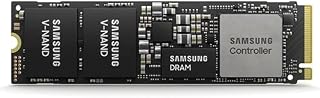
The Samsung PM9A1 512GB is a high-speed internal NVMe SSD designed for desktop users seeking to upgrade from slower SATA drives or older storage solutions. It's ideal for gamers, content creators, and power users who demand fast boot times, rapid file transfers, and responsive system performance without breaking the bank.
The standout feature is its impressive 7000 MB/s read speed, powered by PCIe 4.0 connectivity that puts it at the forefront of consumer SSD technology. Real-world performance is snappy across everyday tasks like launching applications, loading large files, and booting Windows. The 512GB capacity provides ample space for most users, handling OS installations plus software, games, and project files comfortably.
Build quality is solid with Samsung's proven engineering standards and a lightweight 4-gram form factor that integrates seamlessly into any modern motherboard. The drive's reliability is supported by Samsung Magician software, which offers drive monitoring, firmware updates, and optimization tools for peak performance management.
The main drawback is the minimal packaging, which arrives in a thin plastic shell and soft envelope rather than protective cardboard, creating shipping damage risk. Additionally, some users report authenticity concerns, so verification upon delivery is recommended. The drive also requires a PCIe 4.0 compatible motherboard to unlock its full speed potential, though it remains compatible with earlier PCIe generations at reduced speeds.
Overall, the Samsung PM9A1 delivers excellent performance and reliability for the price, making it a smart choice for desktop upgrades. Verify authenticity when it arrives, use it with a modern motherboard for best results, and you'll gain a dependable, fast storage solution that handles demanding workloads with ease.
Storage and Interface: 512GB capacity, M.2 2280 form factor, NVMe protocol, PCIe 4.0 x4 interface
Performance: 7000 MB/s read speed, 5000 MB/s data transfer rate, 512 MB cache memory
Physical: 4 grams, black color, internal installation type
Compatibility: Desktop computers with M.2 NVMe slot, compatible with Samsung Magician software
Model: MZVL2512HCJQ-00B00
What to Consider When Choosing an NVMe SSD
PCIe Generation and Interface Speed
The PCIe generation determines your drive’s maximum bandwidth. PCIe Gen 4 drives like the WD Blue SN5100 500GB NVMe SSD – M.2 2280 reach sequential read speeds up to 7,100 MB/s, while Gen 3 drives typically max out around 3,500 MB/s. Your motherboard must support the corresponding generation to achieve these speeds.
Gen 4 drives deliver noticeable improvements for large file operations, video editing, and game asset loading. However, Gen 3 drives still provide substantial performance gains over SATA SSDs for everyday computing. If your system only supports Gen 3, you’ll see no benefit from a Gen 4 drive beyond backward compatibility.
Capacity and Cost Per Gigabyte
The 1TB capacity point offers the strongest value in this category, with drives like the Timetec 1TB SSD NVMe PCIe Gen3x4 8Gb/s M.2 2280 3D and ADATA SSD Legend 710 M.2 1TB PCIe Gen3 x4 M.2 2280 providing ample space for your operating system, applications, and game library. Smaller capacities like 512GB work for budget-conscious buyers who primarily need fast boot and application performance.
Consider your actual storage needs realistically. Modern games can exceed 100GB each, and creative projects accumulate quickly. A 1TB drive prevents the constant juggling of files and provides room for future growth without requiring an immediate upgrade.
Endurance Ratings and Warranty Coverage
Total Bytes Written (TBW) indicates how much data you can write to the drive before wear becomes a concern. The fanxiang S501Q SSD 1TB PCle 3.0×4 Internal Solid offers 320 TBW, while the Silicon Power 1TB – NVMe M.2 PCIe Gen3x4 2280 SSD provides 600 TBW. Higher endurance suits users who regularly move large files, run virtual machines, or edit video.
Warranty length reflects manufacturer confidence. Five-year warranties from Timetec and three-year coverage from most other manufacturers provide adequate protection for typical usage patterns. Pay attention to whether warranty terms end when you hit the TBW limit or the time period, whichever comes first.
Thermal Management and Form Factor
The M.2 2280 form factor fits most modern motherboards and laptops, but confirm your system has an available M.2 slot with the correct key configuration. Some drives include heatsinks or thermal pads like the fanxiang S501Q with its graphene heat dissipation sticker, which helps maintain performance during sustained workloads.
If you’re building a system similar to configurations in our guide on the best PC case for RTX 5080, thermal management becomes more critical. High-performance systems generate substantial heat, and SSDs that throttle under thermal stress will bottleneck your overall system performance during intensive tasks.
Final Thoughts
The NVMe drives in this guide deliver exceptional value for anyone upgrading from a SATA SSD or mechanical hard drive. For users prioritizing raw speed and modern PCIe Gen 4 performance, the WD Blue SN5100 stands out with read speeds reaching 7,100 MB/s and proven reliability backed by Western Digital’s warranty. If you need maximum capacity with solid Gen 3 performance and exceptional endurance, the Silicon Power 1TB NVMe offers 600 TBW and proven compatibility across a wide range of systems. Both drives transform system responsiveness and provide the foundation for a fast, reliable computing experience.
Frequently Asked Questions
Will an NVMe SSD work with my older motherboard?
Your motherboard must have an M.2 slot that supports NVMe protocol to use these drives. Most motherboards from 2015 onward include at least one M.2 slot, but verify your specific model supports NVMe rather than only SATA M.2 drives. Check your motherboard manual or specifications page to confirm compatibility before purchasing.
How much faster is NVMe compared to a SATA SSD?
NVMe drives deliver sequential read speeds between 2,000 and 7,100 MB/s depending on the model, while SATA SSDs cap at around 550 MB/s due to interface limitations. You’ll notice faster boot times, quicker application launches, and significantly reduced file transfer times. For everyday tasks, the difference is noticeable but not revolutionary; for large file operations and professional workloads, NVMe provides substantial time savings.
Do I need a heatsink for my NVMe SSD?
Many motherboards include M.2 heatsinks as standard equipment in 2026, and some drives come with pre-installed thermal solutions. If your motherboard lacks a heatsink and you plan sustained heavy workloads like video rendering or large file transfers, adding a heatsink prevents thermal throttling. For typical gaming and productivity use, the built-in thermal management of most drives suffices without additional cooling.
Can I use an NVMe SSD as a boot drive?
All modern motherboards with NVMe support allow booting from M.2 NVMe drives, and this represents one of the primary benefits of upgrading. You’ll experience dramatically faster Windows startup times compared to mechanical drives or even SATA SSDs. If you’re pairing your new storage with a high-performance system like those discussed in our best CPU for RTX 5080 guide, an NVMe boot drive eliminates storage bottlenecks and ensures your system performs at its full potential.




Write Your Review
No reviews yet. Be the first to share your experience!