

You need more storage, but your budget caps at $150. Whether you’re upgrading an aging laptop, building a new PC, or expanding your existing setup, the right SSD can transform your computing experience without emptying your wallet. This guide breaks down five exceptional drives that deliver speed, reliability, and value.
We’ve focused on drives that balance performance with affordability, covering both NVMe and SATA options across capacities from 500GB to 1TB. Each pick addresses specific needs, from PCIe 4.0 speed demons to budget-friendly workhorses. If you’re also considering other upgrades, check out our guide to the best GPU under $150 for 1080p gaming to maximize your build.
Quick answer
This guide compares 5 picks, with SanDisk Optimus 5100 500GB NVMe SSD PCIe 4.0 M.2 2280 ranked first. fanxiang S101 1TB SATA SSD, 520MB/s Read Speed, 3D NAND has the most customer reviews.

The 500GB capacity hits the sweet spot for a budget build, giving you room for your OS, essential applications, and a healthy game library without overspending. PCIe 4.0 support means you get modern transfer speeds that keep load times short, while the power-efficient architecture helps laptops stretch battery life. The M.2 2280 form factor fits nearly every desktop and laptop made in the last five years, making installation straightforward.
Pros
- Outstanding speed and performance that rivals more expensive SSDs from Samsung and other premium brands
- Excellent thermals and power efficiency keep drive cool even during intensive tasks
- Straightforward installation process compatible with a wide range of devices including PS5 and Xbox Series S
- Strong 4.8/5 star rating backed by real user reviews confirming speed and reliability claims
- Impressive 5-year limited warranty provides long-term peace of mind
Cons
- 500GB base capacity may fill quickly for users working with large 4K video or photo libraries
- QLC NAND technology means slightly lower write speeds compared to higher-end TLC-based drives
- Specifications show some variance between capacity tiers, with lower read speeds on the 500GB model than advertised maximum
The SanDisk Optimus 5100 is a mainstream NVMe SSD designed for creators, gamers, and everyday users who want fast storage without premium pricing. This drive serves anyone upgrading from older SATA SSDs or mechanical drives, from content creators working with 4K media to gamers expanding their PS5 storage.
Performance is the Optimus 5100's strongest suit. The drive delivers PCIe 4.0 speeds up to 7,100MB/s (on 1TB and 2TB models), with the 500GB hitting around 6,600MB/s. Real-world testing by reviewers confirms noticeably faster boot times, instant app launches, and smooth multitasking. The integrated nCache 4.0 technology smooths performance during sustained workloads, making it practical for actual creative work rather than benchmark-only speed.
Design and build quality are solid. The ultra-slim M.2 2280 form factor takes up minimal space, and the power-efficient architecture means low heat output and extended battery life on laptops. The drive runs cool without requiring separate heatsinks in most systems, though adequate case airflow remains important. At just 5.7 grams, it's lightweight and easy to install.
The main limitation is that the 500GB capacity fills quickly for media-heavy workflows, and write speeds trail read speeds more noticeably than premium alternatives. However, the 5-year warranty and proven reliability under the BiCS QLC architecture provide genuine confidence, backed by user reports confirming durability and consistent performance over time.
Verdict: The SanDisk Optimus 5100 is an excellent value-focused NVMe drive that performs within striking distance of drives costing significantly more. If you need speed and storage space without premium brand markup, this drive delivers on both fronts and belongs on your shortlist.
Speed Performance: PCIe 4.0 interface, up to 7,100MB/s read (1TB/2TB models), 6,600MB/s read (500GB model), up to 6,700MB/s write across most capacities.
Capacity and Storage: Available in 500GB, 1TB, 2TB, and 4TB options. The 500GB model provides 460GB of usable space after OS allocation.
Endurance and Reliability: Up to 1,200 TBW on the 4TB model. 5-year limited warranty covers defects and failures. BiCS QLC 3D NAND technology ensures proven long-term stability.
Power and Thermals: Power-efficient architecture reduces heat generation. Stays cool under load without active cooling in most systems, extending laptop battery life during mobile work.
Best For: Content creators working with photos and video, PC and laptop gamers, anyone upgrading from older storage, PS5 and Xbox Series S owners seeking expanded game storage, business users needing reliable fast drives.
Installation: Standard M.2 2280 NVMe slot required. Compatible with PCIe 3.0 and 4.0 motherboards. Installation takes minutes and requires no additional cables or adapters. Free Acronis True Image software aids seamless data migration from older drives.
Compatibility: Works with Windows PCs, Mac systems, PlayStation 5, Xbox Series S, and any device with an M.2 NVMe slot. Backward compatible with older PCIe 3.0 systems, though speeds cap at PCIe 3.0 limits on those systems.
Consider the Alternative: If you need maximum sustained write performance for intensive video encoding or deep learning workloads, premium TLC-based drives perform better. For basic web browsing and document work, the cost premium of the Optimus 5100 over SATA SSDs may not justify the benefit.
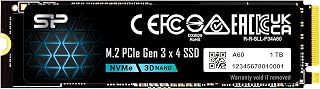
This drive doubles capacity to 1TB while staying in budget, offering generous room for operating systems, applications, and media libraries. The PCIe Gen3x4 interface provides reliable throughput for mainstream workloads, and backward compatibility ensures it works across older and newer systems. For users prioritizing storage space over cutting-edge speeds, this strikes an excellent balance.
Pros
- Excellent read speeds of 2,200MB/s provide noticeable performance improvements over SATA SSDs
- Reliable TLC NAND flash with 600 TBW warranty coverage
- Compact M.2 form factor eliminates cable clutter in modern builds
- Highly rated by thousands of verified customers with 4.6/5 star average
- Affordable entry point for PCIe Gen3 NVMe storage upgrades
Cons
- Requires M-key M.2 connector only, incompatible with systems lacking proper slot type
- Write speeds of 1,600MB/s lag behind premium NVMe drives, affecting heavy workloads
- Mounting screw not included, must source from motherboard manufacturer
The Silicon Power 1TB NVMe SSD is a solid mid-range storage solution designed for PC builders and laptop users seeking meaningful performance upgrades over traditional SATA drives. This M.2 drive targets budget-conscious consumers who want PCIe Gen3 speeds without premium pricing, making it ideal for gaming, general computing, and content creation workflows.
Performance-wise, the drive delivers respectable speeds with 2,200MB/s read capabilities and 1,600MB/s write performance. These numbers translate to faster boot times, quicker application launches, and significantly improved file transfer rates compared to older storage technologies. The 600 TBW endurance rating provides reasonable longevity for typical users, though heavy workloads may deplete this faster than premium alternatives.
Build quality reflects the mid-range positioning with a compact 8.53g form factor and standard M.2 2280 design. The drive generates minimal heat and integrates cleanly into modern systems. Installation is straightforward once you secure the proper M-key M.2 slot, though you'll need to source the mounting screw separately from your motherboard manufacturer.
The main limitation is compatibility, as this drive requires an M-key connector with no B-key support. Additionally, write speeds can bottleneck demanding professional applications involving large file handling or video rendering, making this better suited for consumer rather than workstation use.
Verdict: The Silicon Power 1TB NVMe SSD delivers genuine value for mainstream users upgrading from SATA storage. Strong read speeds, proven reliability through customer ratings, and reasonable pricing make this an excellent choice for gaming and productivity builds where performance per dollar matters most.
Storage Capacity: 1TB (1000GB)
Interface: PCIe Gen3x4 NVMe
Form Factor: M.2 2280 (80mm)
Read Speed: 2,200MB/s
Write Speed: 1,600MB/s
Cache Memory: 2GB
NAND Type: TLC
Endurance: 600 TBW
Weight: 8.53g
Dimensions: 3.15 inches L x 0.87 inches W x 0.16 inches Th
Warranty: Manufacturer warranty (whichever occurs first: warranty length or 600 TBW limit)
Connector Type: M-key M.2 slot (B-key not compatible)
Compatible Platforms: Desktop PCs and Laptops with M.2 NVMe support
Who Should Buy: This drive is perfect for gamers, students, and general users upgrading from SATA storage or older systems. It's also ideal for budget-conscious builders who want proven reliability and solid performance without premium pricing.
Compatibility Check: Verify your system has an M.2 slot with M-key support. Most modern motherboards from the past 5 years support this standard. Laptops with M.2 NVMe slots will also work, making this suitable for upgrading portable systems.
Installation Tips: Before purchasing, confirm your motherboard includes an M.2 mounting screw. If not, contact your manufacturer for a replacement screw, as this drive does not include one. Installation takes just minutes once you have the correct screw.
Performance Expectations: Expect dramatic improvements over SATA drives with much faster boot and load times. This drive performs excellently for everyday computing, gaming, and creative work. Heavy professional workloads involving sustained writes may benefit from premium alternatives with higher write speeds.
Value Proposition: At this price point, the Silicon Power delivers exceptional value as a reliable, proven storage solution with strong customer satisfaction ratings. It represents the best balance of performance, capacity, and affordability for mainstream users.

The P400 Lite brings PCIe Gen 4 x4 connectivity to the 1TB tier, delivering faster sequential performance than Gen 3 alternatives without breaking your storage budget. NVMe protocol ensures low latency for responsive multitasking and application launches. Its 2.5-inch form factor designation appears to be a listing error; this is a standard M.2 drive suitable for most modern desktops and laptops.
Pros
- Excellent read speeds of 3500MB/s deliver fast boot times and quick application loading
- Graphene heatsield keeps drive cool under sustained workloads, extending drive lifespan
- End-to-end data protection provides peace of mind for critical files
- Great value for a PCIe 4.0 drive at this price point
- Highly rated by users with strong 4.6-star average across hundreds of reviews
Cons
- Write speeds of 2700MB/s lag behind read speeds, noticeable for large sequential writes
- Limited to 1TB capacity, may require expansion for serious content creators or gamers
- Support for older Windows versions (7, 8, 8.1) feels outdated for a modern drive
The Patriot P400 Lite is a PCIe 4.0 NVMe SSD designed for users seeking a balance between performance and value. It's ideal for gamers upgrading their system drives, content creators handling moderate workloads, and anyone looking to breathe new life into an aging desktop or laptop with faster storage.
Performance is where this drive shines. With sequential reads reaching 3500MB/s, the P400 Lite cuts OS boot times and application loading significantly compared to SATA SSDs. The graphene heatsink is a smart engineering choice that keeps thermals under control during sustained transfers, which matters when moving large files or installing games. Write speeds of 2700MB/s are respectable but noticeably slower than reads, a common trade-off at this price tier.
Build quality is solid. The drive features end-to-end data path protection, meaning Patriot has implemented safeguards throughout the storage pipeline to prevent data corruption. The slim graphene heatsield adds minimal thickness while delivering meaningful thermal performance. The 2.5-inch form factor is standard and compatible with most desktop enclosures and external USB adapters.
One consideration is capacity. At 1TB, this drive works well as a primary system drive or for moderate game libraries, but content creators or users with extensive media collections may need to pair it with additional storage. Another note: OS support lists Windows 7 and 8, which feels like legacy compatibility that won't matter for most modern users.
Overall, the P400 Lite is a smart buy for anyone wanting genuine PCIe 4.0 performance without breaking the bank. User reviews consistently praise reliability and speed, and the 4.6-star rating reflects a drive that delivers on its promises. If you need fast NVMe storage for work or play, this is worth serious consideration.
Storage Capacity: 1TB (1024GB)
Interface: NVMe PCIe 4.0 x4
Sequential Read Speed: Up to 3500MB/s (ATTO)
Sequential Write Speed: Up to 2700MB/s (ATTO)
Form Factor: 2.5-inch
Data Protection: End-to-end data path protection
Thermal Management: Graphene heatsink
Compatible Devices: Desktop computers with NVMe M.2 slots
Operating Systems: Windows 7, Windows 8, Windows 8.1, Windows 12
Brand: Patriot Memory

The S501Q reaches up to 3200MB/s sequential reads thanks to its PCIe 3.0x4 interface and SLC caching, making it competitive for gaming and content creation at 1TB capacity. Its shock-resistant design adds durability for portable setups or frequently moved systems. The 3D NAND construction balances endurance and cost-effectiveness for everyday heavy use.
Pros
- Excellent price-to-performance ratio offers significant storage upgrade value for the cost
- Fast PCIe 3.0x4 speeds deliver noticeable improvements in system responsiveness and application loading
- Reliable build quality with 3D NAND and thermal management provides long-term durability
- Wide OS and device compatibility makes it suitable for virtually any modern computer
- 3-year warranty and included installation accessories add confidence and convenience
Cons
- PCIe 3.0 performance plateau means limited futureproofing compared to newer PCIe 4.0 or 5.0 drives
- Some users report uncertainty about actual NAND technology (TLC vs other types) due to limited manufacturer transparency
- Build quality consistency varies slightly across batches based on user experiences
The fanxiang S501Q is a 1TB internal NVMe SSD designed for budget-conscious users seeking a meaningful performance upgrade. This drive targets everyday computing, gaming, and content creation on both laptops and desktop PCs, offering a practical balance between speed and affordability.
Performance stands out with 3200MB/s read speeds and 1750MB/s write speeds via PCIe 3.0x4 connectivity. Real-world users report noticeably faster boot times, application launches, and file transfers. The intelligent SLC cache technology ensures consistent performance even during sustained workloads, while graphene heat dissipation stickers prevent thermal throttling during intensive use.
Build quality reflects the mid-range positioning. The 3D NAND flash memory and shock-resistant design provide solid durability and data protection. Installation is straightforward, requiring only basic M.2 slot insertion with included screws. The compact M.2 2280 form factor fits standard motherboards and laptop upgrade slots without compatibility issues.
The main limitation is PCIe 3.0 technology, which represents the previous generation of NVMe performance. Users seeking cutting-edge speeds may want PCIe 4.0 alternatives, though the performance difference matters primarily for specialized tasks like video editing rather than everyday use.
The fanxiang S501Q delivers genuine value as an entry-level high-speed storage solution backed by a 3-year warranty. It excels for system upgrades, boot drive replacements, and adding gaming library storage without breaking budget constraints.
Storage Capacity: 1TB
Interface: M.2 2280 NVMe
Connectivity: PCIe 3.0x4
Read Speed: Up to 3200MB/s
Write Speed: Up to 1750MB/s
NAND Technology: 3D NAND Flash
Cache: SLC Cache with intelligent technology
Endurance: 320TBW (TeraBytes Written)
Heat Management: Graphene heat dissipation stickers
Weight: 7g
Compatibility: Windows 7, 8, 10, 11, macOS 10.9+
Warranty: 3-Year Manufacturer
Ideal Buyers: Budget-conscious upgraders, gamers looking to expand storage, professionals needing faster system performance, laptop owners seeking boot drive replacements, and builders prioritizing value without sacrificing speed.
Best Use Cases: System boot drive for faster startup, gaming library expansion, general productivity storage, content creation on mid-range systems, and everyday computing acceleration.
Not Recommended For: High-end content creators requiring maximum throughput, professional video editors on tight timelines, or users needing the absolute latest PCIe 5.0 performance.
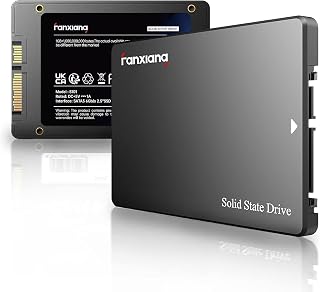
Pros
- Significant performance boost with 520MB/s speeds, especially noticeable for boot times and file operations
- 3D NAND TLC construction ensures longer drive lifespan and greater reliability than QLC chips
- Excellent compatibility across Windows, Mac, Linux, and gaming consoles for flexible upgrades
- Silent operation with no moving parts eliminates mechanical noise and heat concerns
- Proven durability with customers reporting consistent performance over multiple years of use
Cons
- SATA interface is slower than newer NVMe drives, limiting performance for high-end gaming or professional workflows
- Extended heat exposure in some environments may impact longevity, as noted in isolated user experiences
- Usable capacity is approximately 953GB after formatting, slightly lower than advertised 1TB
The fanxiang S101 1TB SSD is a straightforward upgrade solution for budget-conscious users looking to breathe new life into aging computers. Whether you're refreshing a work laptop, modernizing a budget desktop, or adding storage to a gaming console, this drive delivers measurable improvements at an accessible price point.
Performance is the standout feature here. With read speeds reaching 520MB/s and write speeds around 480MB/s, the S101 significantly outpaces traditional hard drives. Users consistently report boot times cutting in half, making the difference between waiting several minutes and getting productive in seconds. The 3D NAND TLC architecture strikes a smart balance, offering better durability than cheaper QLC alternatives while maintaining affordability.
Design and build quality are functional and reliable. The 2.5-inch form factor fits standard laptop bays and desktop drive enclosures without fuss. The compact ABS+PC enclosure dissipates heat reasonably well, though the drive does generate modest warmth under sustained workloads. Installation is straightforward, with most users reporting plug-and-play recognition across Windows, Mac, and Linux systems.
The main limitation is the SATA interface itself. This is not a drawback with the S101 specifically but rather the SATA standard, which maxes out around 550MB/s theoretical throughput. For heavy gaming, video editing, or professional work, NVMe SSDs would provide meaningfully better performance. Additionally, while durability is solid, prolonged exposure to high heat environments may gradually impact longevity over several years.
Overall, the fanxiang S101 represents genuine value for upgrades and storage expansion. It's a reliable choice for users seeking noticeable speed improvements without premium pricing, backed by a 3-year warranty and lifetime support that demonstrates the manufacturer's confidence in the product.
Storage Capacity: 1TB
Interface: SATA III (6Gb/s)
Form Factor: 2.5 inches
Read Speed: Up to 520MB/s
Write Speed: Up to 480MB/s
Memory Type: 3D NAND TLC
Cache: 1GB
Special Features: Hardware Encryption
Compatibility: Desktop, Laptop, Mac, PC, PS4, PS5, Xbox 360, Nintendo Switch
Operating Systems: Windows, Mac OS, Linux
Warranty: 3 Years
Weight: 2.08 ounces
Dimensions: 3.94 inches (L) x 2.72 inches (W) x 0.28 inches (Thickness)
Color: Black
Ideal for: Budget-conscious users upgrading from mechanical hard drives, small business environments needing reliable storage, laptop owners seeking faster boot and load times, casual gamers storing games on PS4 or PS5, and professionals using older machines for non-intensive tasks.
Not ideal for: Users requiring maximum sequential read speeds for professional video editing or large data transfers, those planning to keep drives in high-heat environments long-term, or users seeking cutting-edge NVMe performance for competitive gaming.
Best use cases: Breathing new life into aging work laptops, replacing failing drives in older desktop systems, expanding storage on gaming consoles, and providing reliable secondary storage for archival purposes.
Buying Guide
Interface Type: NVMe vs SATA
NVMe drives connect via PCIe lanes and deliver substantially faster speeds than SATA counterparts. The Sandisk Optimus 5100 500GB NVMe SSD, PCIe 4.0 reaches up to 7,100MB/s read speeds, while SATA drives like the fanxiang S101 1TB SSD SATA SSD 1TB Internal Solid cap at 520MB/s.
Your motherboard determines compatibility. Modern systems support M.2 NVMe slots, but older laptops and desktops may only accommodate 2.5-inch SATA drives. Check your system specifications before purchasing. For builders exploring platform upgrades, our best Z890 motherboard guide covers the latest connectivity options.
PCIe Generation: Gen 3 vs Gen 4
PCIe Gen 4 doubles the bandwidth of Gen 3, enabling faster transfer rates. The Patriot P400 Lite 1TB PCIe Gen 4 x4 SSD leverages this advantage with 3,500MB/s reads, while Gen 3 drives like the Silicon Power 1TB – NVMe M.2 PCIe Gen3x4 2280 SSD offer 2,200MB/s.
Gen 4 requires compatible hardware. If your system only supports Gen 3, a Gen 4 drive will function but operate at Gen 3 speeds. For everyday computing, file transfers, and moderate gaming, Gen 3 provides excellent performance. Content creators handling 4K video or large datasets benefit more from Gen 4 bandwidth.
Capacity and Endurance Rating
Capacity directly affects your storage flexibility. A 500GB drive suffices for an operating system and essential applications, while 1TB accommodates larger game libraries and media collections. The fanxiang S501Q SSD 1TB PCle 3.0×4 Internal Solid offers 320TBW endurance, indicating how much data you can write before potential wear.
Endurance ratings matter for heavy workloads. Video editors, developers compiling code, and users running virtual machines benefit from higher TBW specifications. The Silicon Power model provides 600TBW, making it suitable for intensive daily use over several years.
Thermal Management and Form Factor
Heat affects performance and longevity. The fanxiang S501Q SSD 1TB PCle 3.0×4 Internal Solid includes graphene heat dissipation stickers, while the Patriot P400 Lite 1TB PCIe Gen 4 x4 SSD features a slim graphene heatshield. These solutions prevent thermal throttling during sustained transfers.
Form factor determines installation options. M.2 2280 drives fit most modern motherboards and laptops, while 2.5-inch SATA drives work in traditional drive bays and older systems. Verify your available slots and clearances before selecting. If you’re building a compact system, explore our recommendations for the best PC cases with optimized airflow.
Final Thoughts
Your ideal SSD depends on your system requirements and intended use. For creators seeking maximum PCIe 4.0 performance in a compact package, the Sandisk Optimus 5100 delivers exceptional speeds and reliable endurance. Budget-conscious builders prioritizing capacity over cutting-edge bandwidth will appreciate the fanxiang S101, which provides ample 1TB storage with solid SATA performance for everyday computing tasks.
Frequently Asked Questions
Can I use an NVMe SSD in a laptop that currently has a SATA drive?
Only if your laptop has an available M.2 slot that supports NVMe protocol. Many older laptops feature M.2 slots limited to SATA mode, which won’t recognize NVMe drives. Check your laptop’s service manual or system specifications to confirm compatibility. Some systems include both a 2.5-inch SATA bay and an M.2 slot, allowing you to add an NVMe drive while keeping your existing SATA drive.
What’s the real-world difference between PCIe Gen 3 and Gen 4 speeds?
For typical tasks like booting Windows, launching applications, and loading games, you’ll notice minimal difference. Both generations feel nearly instant compared to mechanical hard drives. Gen 4 advantages become apparent during large file transfers, such as copying 4K video projects or moving hundreds of gigabytes between drives. Professional workflows involving heavy sustained writes benefit most from the increased bandwidth Gen 4 provides.
Do I need to install drivers for these SSDs in 2026?
Windows 10 and 11 include native NVMe and SATA drivers that automatically detect and configure most modern SSDs. You might want to download manufacturer utilities for firmware updates and health monitoring, but these aren’t required for basic operation. The drives work immediately after physical installation and operating system recognition.
Will a heatsink improve my SSD’s performance?
Heatsinks prevent thermal throttling during sustained heavy workloads, which maintains consistent performance rather than increasing peak speeds. If your SSD already includes thermal management like graphene stickers or a pre-installed heatsink, additional cooling typically provides minimal benefit. Systems with restricted airflow or users running intensive tasks for extended periods gain the most from supplemental cooling. For optimal thermal management across your entire build, consider pairing your storage upgrade with components from our motherboard category that feature robust VRM cooling and M.2 heatsinks.




Write Your Review
No reviews yet. Be the first to share your experience!