

Every year, Prime Big Deal Days brings a surge of graphics card discounts that can be genuinely hard to navigate. Whether you’re building a new rig from scratch or finally upgrading that aging GPU, the sheer number of options on sale at once makes it easy to either overspend or miss the card that actually fits your needs. If you want to pair your new GPU with the right memory, our guide on the best RAM for 4K gaming is a solid starting point.
This guide cuts through the noise. We’ve evaluated ten highly rated graphics cards available during Prime Big Deal Days, spanning entry-level 1080p cards all the way to flagship liquid-cooled powerhouses. Whatever your resolution target or workload, there’s a strong option here for you.
Quick answer
This guide compares 10 picks, with ASRock Radeon RX 9070 Challenger 16GB Graphics Card ranked first. MSI RTX 3060 12GB Gaming Graphics Card - 1440p High has the most customer reviews.

For shoppers who want RDNA 4 efficiency without fan noise creeping into a quiet build, the 0dB triple-fan design that shuts off under light loads stands out. Paired with 16GB of GDDR6 on a 256-bit bus, it handles high-res textures comfortably, and the triple-fan cooler keeps thermals in check during longer gaming sessions without constant whirring.
Pros
- 16GB GDDR6 on a 256-bit bus for strong 1440p and 4K headroom
- Reports of sub-70C temps under full load
- Quiet 0dB silent mode when idle
- Factory overclocked to 2520 MHz for immediate performance
Cons
- Requires a 700W PSU with two 8-pin connectors
- 2.5-slot, 15.75 inch length needs case clearance check
For a ranked deals roundup, value per dollar matters as much as raw specs, and the ASRock RX 9070 Challenger earns its place by covering the largest chunk of buyers: those who want smooth 1440p and playable 4K without chasing flagship pricing. The 16GB of GDDR6 on a 256-bit bus gives it enough headroom for AAA titles, ray tracing, and emerging AI workloads, which matters if you want a card that doesn't feel outdated in a year. The RDNA 4 architecture with 56 CUs and dual accelerators backs that up with future-ready hardware. Thermally, this card impresses for its tier, with users reporting sub-70C loads and a genuinely quiet 0dB mode when idle. The 2520 MHz factory overclock means you're not leaving performance on the table. At 15.75 inches and 2.5 slots, it needs some case planning, and the 700W PSU requirement with two 8-pin connectors is worth checking against your current setup. For shoppers weighing AMD against Nvidia in this price range, the driver landscape is the main thing to research beforehand, but the hardware itself makes a strong case.
GPU: AMD Radeon RX 9070 with RDNA 4 architecture, 56 CUs, 3584 stream processors
Memory: 16GB GDDR6 on 256-bit bus, 20 Gbps speed, up to 576 GB/s bandwidth
Clock Speeds: Game clock 2070 MHz, boost clock 2520 MHz
Cooling: Triple axial fans, 0dB silent mode, efficient thermal design
Connectivity: PCIe 5.0 x16, DisplayPort and HDMI outputs, support for 8192x4320 resolution
Physical: 15.75 inches long, 8.66 inches wide, 2.5-slot design, 1.34 kg
Power: Dual 8-pin connectors, 700W PSU recommended
Warranty: 2-year manufacturer warranty
Good fit for gamers upgrading from older hardware who want 1440p performance and playable 4K without paying flagship prices, plus streamers and creators who need memory headroom. Consider skipping if you're committed to an Nvidia software ecosystem or need guaranteed day-one driver support for brand new titles, since AMD's driver maturity is still catching up in some areas.

Shoppers wanting a dependable 1080p to 1440p card without overspending will like the 12GB GDDR6 buffer, generous for this tier, running across a 192-bit bus. The Torx Twin Fan cooler keeps things quiet during typical gaming sessions, making this a practical pick for anyone upgrading from an older GPU on a moderate budget.
Pros
- 12GB memory advantage delivers superior texture quality and multitasking capability compared to 8GB competitors
- Whisper-quiet operation thanks to optimized twin-fan cooling design
- Smooth 1080p and 1440p gaming across modern AAA titles and esports games
- Strong CUDA ecosystem support for machine learning and compute applications
- Excellent value for price, outperforming expectations relative to cost
Cons
- Older architecture compared to RTX 40 and 50 series, limiting cutting-edge ray tracing performance at highest settings
- Not ideal for 4K gaming at maximum settings; best performance window is 1080p-1440p
The MSI RTX 3060 Ventus 2X is a solid mid-range graphics card built on NVIDIA's Ampere architecture, designed for gamers who want reliable 1440p performance without breaking the bank. This card is perfect for someone upgrading from older GPUs, playing modern AAA titles, or running compute-intensive workloads like machine learning and AI training.
The standout feature is its 12GB of GDDR6 memory, which surpasses competitors like the RTX 3060 Ti and 3070 that ship with only 8GB. This extra memory allows you to max out texture settings in demanding 2024 and 2025 games without hitting performance walls. Gaming performance is smooth across 1080p and 1440p, with esports titles like CS2 and Valorant running at extremely high frame rates. For CUDA-accelerated compute tasks, the card delivers strong performance and integrates seamlessly into mixed GPU setups.
Build quality is excellent, with MSI's Twin Fan design keeping thermals low and fan noise minimal even during extended gaming sessions. The card includes three DisplayPort 1.4a outputs and one HDMI 2.1 connector, supporting up to 7680x4320 resolution. Installation is straightforward, and MSI's software allows easy tweaking of fan curves and performance profiles.
The main limitation is that this card is based on 2020 architecture. While it handles current games well, newer RTX 40-series and 50-series cards offer better ray tracing performance and power efficiency for high-end 4K gaming. If you plan to play at 4K maximum settings or want the latest features, you may want to consider a newer GPU.
Overall, the RTX 3060 12GB is a dependable workhorse that punches above its weight class. It's especially recommended for 1440p gamers, CUDA compute users, and anyone seeking reliable mid-range performance at a fair price point.
GPU: NVIDIA GeForce RTX 3060 Ampere Architecture
Memory: 12GB GDDR6
GPU Clock Speed: 1837 MHz
Memory Clock Speed: 1807 MHz
Memory Interface: 192-Bit
Max Power Draw: 170W
Interface: PCI-Express 4.0 x16
Video Outputs: 3x DisplayPort 1.4a, 1x HDMI 2.1
Max Resolution: 7680x4320
Cooling: Twin-Fan Design
Dimensions: 9.25 inches L x 4.88 inches W
Weight: 340g
Warranty: 3 Years
Model: RTX 3060 Ventus 2X 12G OC
Manufacturer: MSI
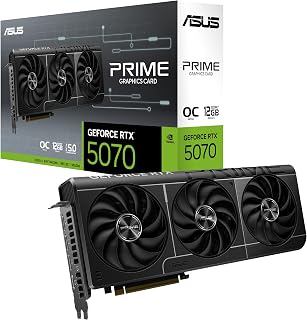
Gamers upgrading to 1440p high-refresh setups will value the 12GB of GDDR7 memory, a meaningful bandwidth jump over previous-gen GDDR6 cards, paired with a 2587MHz boost clock. It's a solid middle-ground pick for those who want current-gen Blackwell efficiency without stepping up to the higher-tier 5070 Ti or 5080 models.
Pros
- Triple Axial-tech fans with dual-ball bearings for quiet, cool operation
- Factory overclocked to 2587 MHz out of the box
- Dual BIOS switch for quiet or performance profiles
- GPU Tweak III software for fan curve and clock control
Cons
- No dedicated power connectors, relies on PCIe slot power
- 2.5-slot footprint requires checking case clearance
Ranking GPUs for a deals event means weighing performance against what you actually need to run, and the ASUS Prime RTX 5070 OC earns its spot by targeting a specific gap: enthusiasts who want 4K capable performance without stepping up to flagship power and heat. The Blackwell architecture and DLSS 4 support give it staying power for demanding titles, while 1005 AI TOPS means it handles creative workloads too. What separates this pick from other cards on this list is the thermal engineering. Triple Axial-tech fans with dual-ball bearings, paired with a phase-change thermal pad, keep it running cool and quiet even during long sessions. The dual BIOS switch is a nice touch for anyone who wants to toggle between quiet and performance modes depending on the moment. Factory overclocked to 2587 MHz, it delivers strong numbers right out of the box. The 2.5-slot design fits most mid-size builds, though there are no dedicated power connectors, so it draws entirely from the PCIe slot. For shoppers comparing options this deal season, it's a solid middle-tier entry with premium touches.
GPU and Memory: NVIDIA GeForce RTX 5070, 12GB GDDR7, 2587 MHz (OC) / 2557 MHz (Default)
Architecture: NVIDIA Blackwell, 1005 AI TOPS, DLSS 4 capable
Cooling: Triple Axial-tech fans, phase-change thermal pad, 2.5-slot design, 0dB technology for silent idle
Connectivity: PCIe 5.0 x16, DisplayPort 2.1, HDMI 2.1, supports dual BIOS profiles
Display Output: Up to 3840x2160 (4K) resolution
Physical: 12 inches long, 5 inches wide, 2.3 pounds, fits mid-size and SFF cases
Software: GPU Tweak III for performance tuning, advanced thermal control, system monitoring
Warranty: 3 years manufacturer coverage
Buy this if you're building a compact or mid-size system and want quiet, cool 4K performance without manual tuning. It suits gamers and creators who value thermal engineering and don't want to fuss with overclocking software beyond the basics. Skip it if your case has tight clearance for a 2.5-slot card, or if you need dedicated power connectors for a specific build plan, since this one relies solely on PCIe slot power.
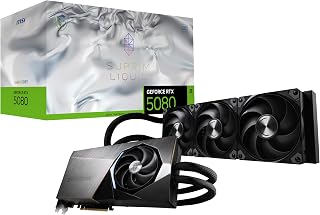
For buyers targeting 4K gaming or heavy creative workloads, the 16GB of GDDR7 on a 256-bit bus combined with a 2745MHz boost clock and liquid cooling makes this one of the strongest performers in the roundup. The SUPRIM cooling setup helps sustain that clock speed under extended loads, which matters for anyone running demanding titles for hours.
Pros
- Integrated liquid cooling sustains peak performance without throttling
- 16GB GDDR7 memory with 2745 MHz clock speed
- Premium industrial design with strong build quality
- Single-fan design pairs cleanly with the liquid cooler
Cons
- Substantial heat output requires good case airflow
- A small number of users report compatibility issues with specific titles
When ranking the best GPU deals, the top of the list usually goes to the card that makes the fewest compromises, and the MSI RTX 5080 SUPRIM Liquid SOC is built for exactly that spot. With 16GB of GDDR7 memory and a 2745 MHz clock speed, it's aimed at gamers and creators who want flagship-tier performance without stepping down anywhere. The integrated liquid cooling system is the defining feature here, letting the card sustain high clocks without thermal throttling even during extended sessions. Users report GPU temperatures staying remarkably low during sustained gaming, which speaks to how effectively the liquid cooler manages the heat this level of performance generates. The single-fan design pairs cleanly with the liquid cooler for a streamlined look, and the card's industrial styling adds real presence to a build. This is the pick for anyone using a deals event to finally upgrade to a no-compromise setup, provided your case and PSU can accommodate a card at this power and thermal tier. It's not the budget-friendly option on this list, but for shoppers ranking pure capability, it sits near the top.
GPU Chipset: NVIDIA GeForce RTX 5080 (Blackwell Architecture)
Memory: 16GB GDDR7
Memory Interface: 256-bit
Boost Clock: 2760 MHz
Memory Speed: 30 GHz
Outputs: 3x DisplayPort 2.1a, 1x HDMI 2.1b
Max Resolution: 7680 x 4320
Power Connection: PCIe x16
Cooling: Integrated Liquid Cooler
Dimensions: 10.5 inches length, 4.4 inches width
Warranty: 3 Years
Best for serious gamers and content creators who want top-tier performance and are prepared to manage the heat output with good case airflow. Also fits builders who want a striking, premium-looking card. Skip it if you're on a mid-range budget, have a case with limited airflow, or don't need flagship-level power for your workloads, since the substantial heat output demands a capable case and ambient conditions.

Budget-focused shoppers building an entry-level or secondary rig will appreciate the 6GB GDDR6 buffer paired with a compact dual-fan cooler that fits smaller cases. It's suited for 1080p gaming at moderate settings rather than demanding workloads, making it a sensible pick for anyone prioritizing an affordable, low-footprint upgrade over raw horsepower.
Pros
- Compact 20cm, 2-slot design fits small cases
- Quiet, effective dual-fan cooling under load
- DLSS 3 support boosts performance in supported titles
- Durable build with corrosion-resistant bracket and dust resistance
Cons
- 6GB VRAM limits 4K and the most demanding AAA titles
- Ray tracing performance is secondary to rasterization strength
This ranked deals guide covers ten cards, and the ASUS Dual RTX 3050 6GB OC Edition represents the entry point for shoppers with tighter budgets or smaller builds rather than a flagship contender. Its compact 20cm, 2-slot design makes it one of the few cards on this list that fits into small-form-factor cases or pre-built systems where physical space and power headroom are limited, a real consideration when shopping deals for an existing rig rather than a fresh build. Performance is squarely 1080p focused, running esports titles and lighter AAA games smoothly at medium to high settings, with DLSS 3 support adding a further boost in supported games. Dual Axial-tech fans keep temperatures controlled and operation quiet even under sustained load, and the stainless steel bracket plus IP5X dust resistance point toward long-term durability. The 6GB VRAM ceiling is the clear limiting factor, ruling out serious 4K gaming or the heaviest modern AAA titles, but that tradeoff is by design for an entry-level card rather than a flaw. For this article's ranking, it fills the budget and small-build slot rather than competing on raw power.
Best for budget-conscious buyers, small-form-factor builders, or anyone upgrading from integrated graphics who mainly plays esports or lighter AAA titles at 1080p. Also worth considering for pre-built systems with limited PSU headroom. Skip it if you game at 1440p or higher, play VRAM-hungry modern AAA titles, or want a card with real longevity for future demanding games.
GPU Architecture: NVIDIA GeForce RTX 3050 with Ampere SM, 2nd Gen RT Cores, and 3rd Gen Tensor Cores for DLSS 3 support.
Memory: 6GB GDDR6 with 1500 MHz memory clock speed, delivering adequate bandwidth for 1080p and light 1440p workloads.
Clock Speeds: OC Mode: 1500 MHz boost clock, Default Mode: 1470 MHz boost clock for flexible performance tuning.
Thermal Design: Dual Axial-tech fans, 2-slot form factor (20cm length, 7.9in x 4.7in), IP5X dust resistance, and stainless steel bracket.
Power: No external power connector required. PCIe x16 slot power delivery only, making it ideal for systems with limited PSU capacity.
Connectivity: HDMI 2.1, DisplayPort 1.4a, and DVI-D for multi-monitor setups and modern display standards.

With a 3060MHz boost clock, this is the fastest-clocked card in the lineup, appealing to buyers who want maximum RDNA 4 performance for competitive or high-refresh gaming. The 16GB GDDR6 pool keeps pace with demanding open-world titles, and PCIe 5.0 support future-proofs the connection for next-gen motherboards.
Pros
- 160-220fps at 1440p high settings in modern AAA titles
- 16GB GDDR6 removes VRAM constraints
- Quiet WINDFORCE cooling under sustained load
- PCIe 5.0 support for current and future systems
Cons
- Requires a 750W PSU minimum
- Falls short of Nvidia's top-tier cards for competitive benchmarking
For a deals roundup built around finding the best GPU for the money, the GIGABYTE RX 9070 XT Gaming OC earns a ranking slot on performance-per-dollar alone. This 16GB GDDR6 card with PCIe 5.0 support is aimed at gamers and creators who want high-refresh 1440p gaming without flagship pricing, which is exactly the buyer this article is written for. Real-world reports show 160 to 220fps at 1440p high settings, and the card stretches into 4K at medium to high settings when needed. The 16GB memory buffer removes VRAM as a bottleneck, a common weak point on older cards still floating around during deal events. WINDFORCE cooling with Hawk fans and thermal conductive gel keeps things quiet under load, and the 11.34-inch length fits most modern cases. Content creation tasks like 3D rendering and video editing are handled competently too. Before buying during a sale, confirm your PSU meets at least 750W and double check case clearance, since fit issues are the most common complaint.
Core Specifications
GPU: AMD Radeon RX 9070 XT
Memory: 16GB GDDR6
Memory Clock: 2600 GHz
GPU Clock: 3060 MHz
Interface: PCIe 5.0 x16
Max Resolution: 7680 x 4320 (8K)
Physical and Connectivity
Dimensions: 11.34 inches (L) x 5.2 inches (W)
Weight: 1.78 kg
Output: DisplayPort
Power Connectors: Dual 8-pin (750W+ PSU recommended)
Cooling: WINDFORCE system with Hawk fans and thermal gel
Warranty and Support
Manufacturer: GIGABYTE
Warranty: 3 years
Model: GV-R9070XTGAMING OC-16GD
Gaming Performance at Common Resolutions
1440p Gaming: 160-220fps on most modern AAA titles at high settings. Excellent for competitive gaming and high-refresh monitors.
4K Gaming: Playable at high settings on most titles, medium settings on demanding new releases. Solid for content creators monitoring in 4K.
Esports Titles: 300+ fps possible on optimized competitive games for ultra-high refresh gameplay.
Real-World Use Cases
Best suited for 1440p gaming at 144+ fps, 4K content creation workflows, professional 3D rendering, and VR gaming. Handles flight simulators like DCS at high settings with 4K head tracking. Eliminates VRAM constraints for media professionals working with large files.
Driver Recommendations
Run DDU (Display Driver Uninstaller) before installation if upgrading from another card. Install latest AMD drivers for maximum stability and performance. Update BIOS if required by your system for PCIe 5.0 compatibility.
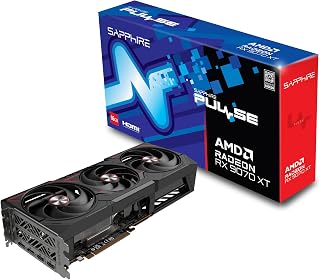
Anyone chasing higher framerates at 1440p or 4K will notice the 2970MHz boost clock, among the fastest here, giving this card an edge in CPU-bound and GPU-bound titles alike. The 16GB GDDR6 buffer means texture-heavy modern games won't stutter from VRAM limits, making it a strong pick for a serious RDNA 4 upgrade this sale season.
Pros
- Strong 1440p ultra and ultrawide gaming performance
- Quiet triple-fan cooling with controlled memory temps
- 16GB GDDR6 avoids VRAM bottlenecks
- Backed by Sapphire's 2-year warranty
Cons
- Larger physical size than expected, verify case clearance
- Weaker VR anti-aliasing and some early RDNA 4 driver quirks
In a ranked lineup of GPU deals, the Sapphire Pulse RX 9070 XT earns its spot by punching above its class. This 16GB GDDR6 card built on RDNA 4 targets shoppers who want flagship-tier 1440p performance during a deals event without stretching for Nvidia's top-tier cards. It handles ultra settings at 1440p comfortably and stretches to ultrawide 5120x1440 gaming in AAA titles, which matters if you are hunting for a card that will not need replacing next generation. The triple-fan cooler keeps memory temperatures in check while running quiet, and Sapphire's build reputation adds confidence to a purchase made during a fast-moving sale. Clock speeds hold steady under gaming loads, and power draw stays reasonable for the performance on offer. The main caveats worth factoring into a deal-day decision: the card runs larger than many expect, so case clearance needs checking before you commit, and RDNA 4 is new enough that minor driver quirks can still surface. For a ranked deals guide, it lands as a strong pick for anyone prioritizing raw gaming performance per dollar spent.
Gaming Performance: 60-120 FPS at 1440p ultra settings with AAA titles. 180+ FPS possible in optimized games. Ultrawide support delivers 60+ FPS at 5120x1440 native resolution with quality settings maxed.
Thermal Performance: GPU core under 50C during sustained gaming, memory peaks at 78C. Idle temperatures around 32C. Consistent performance without throttling during extended sessions.
Clock Speeds: Stable overclocks to 3100MHz verified by users. Factory settings at 2970MHz provide reliable baseline performance with headroom for enthusiasts.
Power Efficiency: 10-30W idle, 140-250W gaming load at 1440p. Excellent power efficiency compared to competing high-end cards, reducing system power supply requirements.
Buy this if you're upgrading from a mid-range card and want flagship-level 1440p or ultrawide performance during the sale. It also suits gamers open to leaving the Nvidia ecosystem. Skip it if your case has tight clearance, since the card runs larger than expected, or if you rely heavily on VR titles like VRChat where anti-aliasing lags behind Nvidia alternatives.

Buyers who want near-flagship performance without the top-tier price point will notice the 16GB of GDDR7 on a 256-bit bus, which handles 4K textures and ray tracing workloads with room to spare. The WINDFORCE cooling system helps this card sustain its 2600MHz boost clock during long sessions, making it a strong mid-high tier choice.
Pros
- Outstanding 4K gaming performance with minimal fan noise in typical setups
- 16GB memory provides substantial headroom for demanding games and professional applications
- WINDFORCE cooling system maintains excellent thermals without aggressive fan curves
- Strong upgrade path from previous generation cards like RTX 3080 and 2080 Super
- Reliable 3-year manufacturer warranty and proven GIGABYTE build quality
Cons
- Substantial physical size at 13.46 inches may require case compatibility verification before purchase
- Power consumption demands a robust PSU, potentially requiring system upgrades for older builds
- Premium pricing reflects flagship positioning, not ideal for budget-conscious buyers
The GIGABYTE RTX 5070 Ti AERO OC is a powerhouse graphics card built on NVIDIA's Blackwell architecture, delivering substantial performance for 4K gaming, competitive esports at high refresh rates, and GPU-accelerated creative work. This card targets enthusiasts and professionals who demand next-generation performance but don't need the absolute flagship tier.
Real-world testing shows this GPU handles modern AAA titles at 4K with high settings and strong frame rates, while competitive games like Battlefield run beautifully at 2K with maxed-out settings. The 16GB GDDR7 memory buffer prevents bottlenecks in VRAM-hungry workloads, and DLSS 4 with frame generation technology delivers meaningful performance boosts. Enhanced RT and Tensor Cores enable superior ray-traced visuals and faster AI processing compared to previous generations.
The WINDFORCE cooling system with three fans strikes an excellent balance between thermal performance and noise levels. The card rarely produces noticeable noise during normal gaming sessions, though the 13.46-inch length and substantial build quality make installation in compact cases a consideration. The card runs efficiently when undervolted, matching overclocked performance while reducing heat and power draw.
The primary trade-off is the substantial size and power requirements compared to more compact alternatives. However, for users with standard mid-tower cases and adequate PSUs, these represent non-issues. The 7680x4320 maximum resolution support and PCIe 5.0 interface provide future-proofing for emerging games and applications.
Verdict: The GIGABYTE RTX 5070 Ti AERO OC represents an excellent balance of performance, cooling performance, and value for gamers and creators seeking genuine next-generation capability. Highly recommended for those upgrading from 2080 Super era cards or looking for strong 4K performance without flagship tier pricing.
GPU Specifications: NVIDIA GeForce RTX 5070 Ti, Blackwell architecture, 2600 MHz base clock, 16GB GDDR7 memory with 256-bit interface, 2600 MHz memory clock speed
Display and Connectivity: Maximum resolution 7680x4320 pixels, DisplayPort and HDMI outputs, PCIe x16 5.0 interface
Physical Specifications: Dimensions 13.46 inches length by 5.59 inches width, 4 pounds weight, 3 integrated cooling fans
Compatibility: Desktop computers with PCIe x16 slot and adequate power supply, 3-year manufacturer warranty included
Who Should Buy: Gamers seeking excellent 4K performance, competitive esports players wanting high refresh rates, content creators using GPU-accelerated software, and users upgrading from RTX 3080 or earlier generation cards.
Case Compatibility: Verify your PC case supports graphics cards up to 13.46 inches in length before purchasing. Mid-tower cases like the Corsair 5000D and Lian Li cases accommodate this card comfortably with proper planning.
Power Requirements: Ensure your power supply has adequate capacity for this card's power draw. A quality 750W PSU is recommended minimum for most builds, though 850W provides better headroom for high-end systems.
Cooling Considerations: The WINDFORCE system performs excellently in most case airflow scenarios. Proper case ventilation and cable management maximize cooling performance and minimize fan noise during extended gaming sessions.

Pros
- Excellent 1440p gaming performance, handles most modern titles on high/ultra settings
- DLSS technology significantly boosts frame rates and visual quality in supported games
- Strong ray tracing capabilities when paired with DLSS for realistic lighting and shadows
- Good thermal management and power efficiency relative to performance tier
- Reliable and stable operation with no crashes or stability issues reported
Cons
- Not ideal for consistent 4K gaming or high-refresh-rate streaming without performance compromises
- May require undervolting or optimization in demanding scenarios like 240fps competitive streaming
- Rare defective units can cause display blackouts, though most units ship without issues
The NVIDIA GeForce RTX 3070 is a mid-to-high-end graphics card designed for PC gamers and content creators who demand solid performance without flagship pricing. Built on NVIDIA's Ampere architecture, it combines enhanced RT Cores and Tensor Cores with 8GB of fast GDDR6 memory to deliver smooth gameplay at 1440p resolution.
The standout feature is its exceptional 1440p gaming performance, where it consistently handles modern AAA titles on high or ultra settings with strong frame rates. DLSS technology makes a noticeable difference in both frame rates and visual quality, while ray tracing produces realistic shadows and lighting when properly configured. The 1695MHz boost clock ensures reliable performance across demanding workloads, and thermal management remains efficient even during extended gaming sessions.
Build quality is solid across the board. The card ships in Founders Edition form factor with a sturdy construction, compact footprint (16 inches long), and proven reliability. Connectivity options include HDMI and DisplayPort outputs for flexible multi-monitor setups, plus PCI Express 4.0 support for future compatibility with next-generation systems.
The main limitation is 4K gaming, which requires frame rate or detail compromises compared to higher-end cards. Similarly, those targeting 240fps streaming and recording may find this card underpowered for their specific use case. A small percentage of units may have defects causing display issues, though most ship without problems and are fully functional out of the box.
Verdict: The RTX 3070 remains an excellent choice for 1440p gaming and a capable performer for 4K content creation. It strikes a strong balance between performance, power efficiency, and value for gamers willing to optimize their settings.
GPU Specifications: NVIDIA GeForce RTX 3070 (Ampere architecture), 2084 MHz boost clock, 1695 MHz memory clock speed, 8GB GDDR6 memory (256-bit interface)
Connectivity: PCI Express 4.0 (backward compatible with PCI Express 3.0), HDMI output, DisplayPort output
Display Support: 4K maximum resolution (3840 x 2160), multi-monitor capable
Physical: 16 inches long, 9.2 inches wide, 1000g weight, single slot design
Compatibility: Desktop systems only, requires standard ATX power supply and PCIe slot
Ideal For: PC gamers targeting 1440p resolution at high settings, content creators doing video editing or 3D work on a budget, upgraders moving from older GTX or RTX 20-series cards
Consider Alternatives If: You need consistent 4K gaming performance, require 240+ fps for competitive streaming, or work with extremely demanding professional applications
Not Recommended For: Budget builders under $300, 1080p-only gamers, server/data center applications
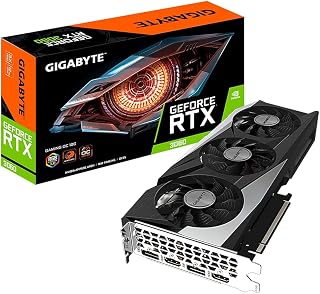
Anyone assembling a value-focused 1080p or light 1440p rig will appreciate the 12GB GDDR6 capacity, which is generous for this class and helps with texture-heavy modern titles. The 3X WINDFORCE fan setup keeps noise and temperatures manageable, making this a sensible pick for gamers who want dependable performance without chasing the newest architecture.
Pros
- Efficient WINDFORCE 3X cooling keeps noise levels reasonable under load
- 12GB VRAM provides plenty of headroom for 1440p gaming at high settings
- Low power consumption compared to higher-end RTX cards
- Strong ray tracing and DLSS performance for modern titles
- RGB Fusion 2.0 customizable lighting
Cons
- Limited upgrade path with RTX 30 series now mature in the market
- Hash rate limitation may feel restrictive to some enthusiasts
- 4K gaming performance limited to lower settings or requires DLSS
The GIGABYTE RTX 3060 Gaming OC 12GB (REV2.0) is a mid-range GPU built for 1440p gamers and creative professionals who need reliable performance without breaking the bank. Its 12GB GDDR6 memory and NVIDIA Ampere architecture make it a capable workhorse for both gaming and content creation tasks.
Performance shines at 1440p where this card handles modern AAA titles at high settings with solid frame rates, often exceeding 60 fps. The 2nd generation RT Cores deliver impressive ray tracing quality, while Tensor Cores accelerate DLSS and AI workloads. Content creators will appreciate the extra VRAM for video editing and 3D rendering applications.
The WINDFORCE 3X cooling system stands out with its dual-fan design that spins in opposite directions to reduce turbulence. This results in quieter operation compared to many competing cards, and temperatures stay well-controlled even during extended gaming sessions. The compact 11.1-inch form factor also makes installation straightforward in most cases.
The card includes dual HDMI 2.1 and dual DisplayPort 1.4 outputs, supporting high-refresh displays and multi-monitor setups. The limited hash rate intentionally restricts cryptocurrency mining, keeping the card focused on its gaming purpose. The metal backplate adds structural support and helps with heat dissipation.
This is an excellent choice for gamers who prioritize value and balanced performance over cutting-edge power. It represents a sweet spot between price and capability, making it well-suited for anyone upgrading from older generations or building a mid-range gaming PC.
GPU Specifications: NVIDIA GeForce RTX 3060, NVIDIA Ampere architecture with 2nd generation RT Cores and 3rd generation Tensor Cores.
Memory: 12GB GDDR6, 192-bit memory interface, 15000 MHz memory clock speed.
Core Clock: 1837 MHz base boost clock.
Cooling: WINDFORCE 3X system with three fans and alternate-spinning design, RGB Fusion 2.0 lighting, metal backplate.
Connectivity: 2x HDMI 2.1, 2x DisplayPort 1.4. Maximum display resolution up to 7680 x 4320.
Physical: 11.1-inch length, 4.6-inch width, 340g weight. PCI-Express x16 interface.
Warranty: 3-year manufacturer warranty. Model: GV-N3060GAMING OC-12GD REV2.0.
Who Should Buy: This card is ideal for 1440p gamers, content creators on a budget, and anyone upgrading from GTX 1060 or older cards. It's also great for esports players who value high frame rates at competitive settings.
Who Should Look Elsewhere: If you need native 4K gaming at high settings, consider RTX 4070 or higher. Cryptocurrency miners should explore other options given the hash rate limitation.
Game Performance Expectations: Expect 60+ fps at 1440p high settings in most modern titles with ray tracing enabled. Competitive shooters will easily hit 144+ fps at lower settings. DLSS can boost performance by 30-50 percent depending on the game.
Power Requirements: Total system power draw remains moderate, making this card suitable for 650-750W power supplies. Check your PSU specifications before purchasing.
Monitor Pairing: Pair with a 1440p 144Hz monitor for optimal experience. The dual HDMI 2.1 and DisplayPort outputs support high-refresh displays and multi-monitor configurations.
GPU Buying Guide: What to Look for During Prime Big Deal Days
Target Resolution and Performance Tier
Your monitor’s resolution is the single biggest factor in deciding which card makes sense. A 1080p display doesn’t need a flagship GPU, and a 4K display will bottleneck a budget card within months.
Cards like the ASUS Dual GeForce RTX 3050 6GB GDDR6 OC Edition handle 1080p gaming with ease, while the ASRock Radeon RX 9070 Challenger 16GB OC Graphics with its RDNA 4 architecture and 16GB GDDR6 is built for smooth 1440p and capable 4K. Match the tier to your actual display before anything else.
Memory Capacity and Bus Width
VRAM has become a serious bottleneck in modern titles at higher resolutions. Cards with 12GB or more handle large texture packs and ray tracing without stuttering, while cards with 6GB to 8GB are better suited to 1080p workloads.
The MSI Gaming GeForce RTX 3060 12GB 15 Gbps GDRR6 and the GIGABYTE GeForce RTX 3060 Gaming OC 12G (REV2.0) both offer 12GB on a 192-bit bus, which is a comfortable baseline for 2026 gaming. The newer GDDR7-equipped options like the ASUS Prime GeForce RTX 5070 12GB GDDR7 OC Edition and the GIGABYTE GeForce RTX 5070 Ti AERO OC 16G Graphics push bandwidth even further with 256-bit interfaces.
Cooling Solution and Chassis Compatibility
A great GPU running hot is a GPU leaving performance on the table. Triple-fan designs like the ASRock Radeon RX 9070 Challenger and the GIGABYTE Radeon RX 9070 XT Gaming OC 16G Graphics with its WINDFORCE system and Hawk Fan offer excellent thermal headroom in full-tower and mid-tower cases.
If you’re working with a compact build, the ASUS Dual RTX 3050’s 2-slot, 20cm design is purpose-built for tighter chassis. The msi Gaming RTX 5080 16G SUPRIM Liquid SOC Graphics goes the opposite direction with a closed-loop liquid cooler for those who demand absolute thermal control. Always confirm slot count and card length against your case specs before buying.
Architecture Generation and Feature Set
Newer architectures bring more than just raw performance gains. NVIDIA’s Blackwell architecture, found in cards like the ASUS Prime GeForce RTX 5070 12GB GDDR7 OC Edition and the GIGABYTE RTX 5070 Ti, includes DLSS 4 and 1005 AI TOPS, which meaningfully impacts AI-accelerated rendering and frame generation.
AMD’s RDNA 4 architecture, powering the Sapphire 11348-03-20G Pulse AMD Radeon™ RX 9070 XT and the ASRock RX 9070 Challenger, brings 3rd-gen ray tracing cores and 2nd-gen AI accelerators to the table. If you’re planning to keep your GPU for several years, investing in a current-generation architecture pays off over time. Pairing a new GPU with fast storage also helps; check out our roundup of the best PCIe 5.0 SSD to eliminate load time bottlenecks. A capable CPU cooler is equally important for sustained performance, and our list of quiet CPU coolers that stay silent under load covers that angle well.
Final Thoughts
Prime Big Deal Days GPU deals genuinely span the full spectrum this year, so there’s a strong pick at every performance level. For most 1440p gamers looking for excellent value in a current-gen card, the ASRock Radeon RX 9070 Challenger 16GB OC Graphics is a standout choice with its RDNA 4 architecture, 16GB GDDR6, and factory overclock. If you’re chasing the absolute peak of what a liquid-cooled single GPU can deliver, the msi Gaming RTX 5080 16G SUPRIM Liquid SOC Graphics is in a class of its own for enthusiasts who want no compromises.
Frequently Asked Questions
Are Prime Big Deal Days GPU deals actually worth it in 2026?
Yes, Prime Big Deal Days consistently delivers some of the strongest GPU discounts of the year outside of Black Friday. Cards across multiple performance tiers see meaningful price drops, making it a smart window to upgrade. It’s worth monitoring for a day or two since deals can refresh and new stock can appear throughout the event.
What GPU is best for 4K gaming right now?
For 4K gaming in 2026, you’ll want at least 16GB of VRAM and a current-generation architecture. The GIGABYTE Radeon RX 9070 XT Gaming OC 16G Graphics and the GIGABYTE GeForce RTX 5070 Ti AERO OC 16G Graphics are both well-suited to that workload. Pairing either with fast memory helps too; our guide on the best RAM for 4K gaming has you covered there.
Is the RTX 3060 still a good buy in 2026?
The RTX 3060 remains a capable card for 1080p and light 1440p gaming, particularly when you can find it on sale during events like Prime Big Deal Days. Its 12GB GDDR6 buffer gives it more longevity than some of its contemporaries. If you’re on a tighter budget and don’t need ray tracing at maximum settings, it’s still a reasonable choice.
How do I know if a new GPU will fit in my PC case?
Check three things: card length in millimeters, slot width (2-slot vs 2.5-slot vs 3-slot), and power connector requirements. The ASRock RX 9070 Challenger, for example, measures 290x123x51mm and requires two 8-pin power connectors with a 700W PSU recommendation. Cross-reference those figures with your case’s maximum GPU clearance and your PSU’s available connectors before purchasing.


Write Your Review
No reviews yet. Be the first to share your experience!