

A dark movie scene can reveal the real difference between display types, while afternoon sunlight can make that difference look far less obvious. The OLED vs QLED TV choice comes down to your room, the content you watch, and whether you prioritize black levels, brightness, or fast action. If console performance leads your search, these 65-inch gaming TV picks offer additional high-refresh options to consider.
This oled vs qled tv guide explains how each screen technology works and where Mini-LED fits between them. We focus on practical differences, then connect the listed models to real viewing needs, from late-night films to daylight sports and competitive play.
Quick answer
This guide compares 8 picks, with INSIGNIA 65-inch 4K QLED Smart Fire TV with Alexa ranked first.

INSIGNIA 65-inch 4K QLED Smart Fire TV with Alexa
For buyers comparing OLED's deep blacks against QLED's glare resistance, this 65-inch QLED offers a high contrast ratio plus Dolby Vision and HDR10, which helps close the gap in dark-scene detail that QLED is often criticized for. It suits a reader who wants QLED's durability and brightness without fully sacrificing contrast performance.
Pros
- Quantum Dot QLED color without OLED pricing
- Dolby Vision and HDR10 support
- Fire TV built in, no extra streaming device needed
- Three HDMI inputs including eARC
Cons
- 60Hz refresh trails both OLED and higher-end QLED rivals
- Direct LED backlight has less dimming precision than premium QLED
If the OLED vs QLED decision has you leaning toward QLED but you don't want to overspend finding out, the Insignia 65-inch QF Series is the entry point worth considering. It uses genuine Quantum Dot QLED technology over a direct LED backlight, so you get the wider color volume and brightness advantage that QLED is known for next to OLED, without chasing a Mini-LED or high-zone-count panel. Dolby Vision and HDR10 support means compatible movies and shows still get real contrast and color benefits. This is the TV for someone who has read through the OLED vs QLED tradeoffs, decided OLED's perfect blacks and burn-in considerations aren't worth the premium, and wants straightforward QLED performance with Fire TV built in. It's not trying to compete with high-end QLED or OLED alternatives on motion handling or local dimming precision, it's aiming at accessible 4K QLED for everyday viewing.
Display: 65-inch QLED with 4K UHD resolution (3840 x 2160), 16:9 aspect ratio, 60Hz refresh rate, direct LED backlight
Picture Quality: Quantum Dot Color technology, Dolby Vision and HDR10 support, high contrast ratio
Audio: Dolby Atmos spatial audio processing
Smart Features: Fire TV OS, Alexa Voice Remote, access to Netflix, Disney+, Prime Video, Hulu, YouTube, and 500,000+ streaming titles
Connectivity: 3 HDMI ports (1 with eARC), 1 USB 3.0, Wi-Fi, Bluetooth, optical, RCA, and coaxial audio inputs
Design: Metal bezel-less design, 56.9 inches wide, 32.8 inches tall, 2.9 inches deep, VESA 400x400mm mount compatible, black finish
Warranty: 1-year limited warranty, 3-year EU spare parts availability
Buy this if you've decided QLED fits your room and budget better than OLED, and you want a simple, no-extra-box 4K smart TV for movies, shows, and casual use. Skip it if the OLED vs QLED comparison already has you leaning toward OLED for deep blacks, or if you want QLED's full potential with 120Hz+ refresh and heavier local dimming for sports and gaming.

Readers deciding between OLED and QLED for gaming often land on Mini-LED as the compromise, and this model's native 144 hertz refresh rate backed by full array local dimming (FALD) delivers the fast response times gamers want alongside deeper contrast than standard QLED. Dolby Vision IQ and HDR10+ Adaptive add tone-mapping precision that adjusts to room lighting.
Pros
- Native 144Hz refresh rate competes with OLED on motion
- Full Array Local Dimming narrows the contrast gap with OLED
- Dolby Vision IQ and HDR10+ Adaptive support
- AI Picture engine auto-adjusts per content
Cons
- VESA wall mount bracket sold separately
- Built-in audio lacks depth compared to a dedicated soundbar
In the OLED vs QLED debate, one of QLED's biggest counterarguments is motion and brightness, and the Hisense E7 leans into exactly that. Its Mini-LED backlight paired with a native 144Hz refresh rate gives it a kind of fluidity and peak brightness that OLED panels can struggle to match stride for stride, especially in bright rooms. Add Full Array Local Dimming and an AI Picture engine that adjusts settings per scene, and you get a QLED option that closes much of the contrast gap people associate with OLED, while keeping the HDR formats, Dolby Vision IQ and HDR10+ Adaptive, that matter for prestige content too. For readers trying to decide between the two display technologies, this is a useful data point: it shows what mid-tier QLED can do when Mini-LED and higher refresh rates are involved, rather than comparing OLED against a basic QLED panel.
Gamers benefit most from the native 144Hz refresh rate, which eliminates motion blur and delivers the responsiveness needed for competitive titles. Response times and smooth motion make gaming feel significantly better than standard 60Hz displays.
Sports Fans appreciate the dedicated AI Sports Mode, which automatically enhances picture and sound when live sports are detected. Fast-moving camera work stays crisp, and crowd audio creates an immersive stadium-like atmosphere.
Movie Enthusiasts will enjoy Dolby Vision IQ, Filmmaker Mode, and comprehensive HDR support that preserves director intent while delivering bright, detailed images. Night scenes showcase excellent black levels thanks to Mini-LED precision dimming.
Value-Conscious Buyers get premium features at an accessible price point. The feature set rivals TVs costing twice as much, making this an ideal upgrade path from aging displays.
Display 65-inch 4K UHD (3840x2160), 16:9 aspect ratio, Mini-LED with Full Array Local Dimming
Performance Native 144Hz refresh rate, AI Picture optimization, MEMC motion enhancement, AI 4K upscaler for lower-resolution content
HDR Support Dolby Vision IQ, HDR10+ Adaptive, HDR10, HLG
Audio Dolby Atmos, one optical audio output
Connectivity Wi-Fi 5, Bluetooth 5.3, four HDMI 2.1 ports, two USB ports (2.0 and 3.0), Ethernet
Dimensions 56.9 inches wide, 33 inches tall, 2.6 inches deep; weight 38.4 pounds
Smart Features Fire TV with Alexa voice control, support for Netflix, Prime Video, Disney Plus, Hulu, YouTube, and thousands of additional apps

For someone set on the brightest possible QLED alternative to OLED, the 3000 nit peak brightness paired with a native 165 hertz refresh rate and VRR 330 makes this suited to a sunlit room where OLED's dimmer output would wash out. IMAX Enhanced and anti-reflection coating round out a picture built for both HDR movies and competitive gaming.
Pros
- Native 165Hz refresh rate and VRR 330 for motion clarity
- 3000 nit peak brightness, well above typical OLED output
- Full Array Local Dimming narrows OLED's contrast advantage
- Dual-layer anti-glare screen for bright rooms
Cons
- Heavier and larger, which can complicate installation
- Smart features take a back seat to picture performance
The OLED vs QLED choice often comes down to one question: can QLED's brightness and motion handling outweigh OLED's per-pixel contrast? The Hisense U7 is built to make that case. With a native 165Hz refresh rate, VRR up to 330, and Mini-LED Pro backlighting reaching 3000 nits of peak brightness, it pushes QLED strengths, brightness, color volume, and motion clarity, further than most TVs in this comparison. Full Array Local Dimming helps close the contrast gap that typically favors OLED, while Dolby Vision IQ and HDR10+ Adaptive keep HDR content accurate. The dual-layer anti-glare screen also addresses a practical QLED consideration: bright rooms and reflections, where QLED panels generally have an edge over OLED. For this article's audience, the U7 represents the top end of what QLED can offer against OLED, aimed at buyers who game or watch sports and want brightness and motion to outweigh OLED's inherent contrast advantage.
Display: 65-inch 4K UHD (3840 x 2160), Hi-QLED Mini-LED Pro, 165Hz native refresh rate, 3000 nits peak brightness, anti-glare dual-layer coating
Picture Quality: 3000 local dimming zones, Dolby Vision IQ, HDR10+, HDR10, IMAX Enhanced, Hi-View AI Engine Pro, Pantone Validated color
Gaming: Native 165Hz, Game Booster 330, VRR support, 50ms input lag reduction, MEMC motion enhancement
Audio: 2.1.2 channels, 50 watts total output, Dolby Atmos, DTS Virtual:X, Devialet tuning
Dimensions: 56.9 inches wide, 33 inches tall, 2.3 inches deep. Weight: 51.6 lbs (with stand), 43.2 lbs (without stand). VESA mount: 400 x 300mm
Smart Features: Google TV, Gemini AI, voice control, ATSC tuner
Warranty: 2-year manufacturer warranty
The Hisense U7 is engineered for gaming and sports viewing. Its native 165Hz refresh rate is a rare feature in consumer TVs and delivers visibly smoother motion than standard 60Hz panels. Combined with Game Booster 330 and variable refresh rate (VRR) support, this TV minimizes input lag and frame tearing, giving competitive gamers a genuine performance advantage.
For sports enthusiasts, the 165Hz refresh rate and AI motion enhancement keep fast action like football, basketball, and soccer crisp and blur-free. The 3000-nit Mini-LED brightness ensures details remain visible during outdoor stadium scenes or bright daylight broadcasts. The anti-glare screen is particularly valuable for watching sports in daytime environments.

For a reader prioritizing OLED's per-pixel contrast in a smaller space like a bedroom or office, this 48-inch panel keeps the self-lit OLED advantage of true blacks while a 120 hertz refresh rate supports smooth gaming. Built-in speaker and dedicated game mode make it a tidy, single-box option where a QLED's larger size wouldn't fit the room.
Pros
- Outstanding picture quality with OLED technology delivering infinite contrast and true blacks
- Advanced AI processing dramatically improves lower-quality content through upscaling and enhancement
- Comprehensive gaming features with variable refresh rates eliminate screen tearing and stuttering
- Glare-free coating maintains image clarity and reduces eye strain in bright environments
- Perfect size for dedicated gaming or media rooms without requiring massive wall space
Cons
- OLED panels can develop burn-in with static images displayed for extended periods
- 48-inch size may feel cramped for viewers accustomed to larger TVs or sitting very close
The Samsung S90H is a premium 48-inch OLED television engineered for users who prioritize picture quality and gaming performance. It caters to content creators, serious gamers, sports fans, and movie enthusiasts seeking immersive, lifelike image reproduction in a mid-sized form factor.
The standout feature is Samsung's NQ4 AI Gen3 processor, which harnesses 128 neural networks to intelligently upscale content to 4K, enhance motion handling, and remaster older shows to look like modern HDR productions. Combined with the glare-free OLED panel, this delivers exceptional brightness without reflections and vibrant colors that pop. For gaming, the Motion Xcelerator 165Hz refresh rate paired with G-SYNC and FreeSync support ensures competitive gameplay remains smooth and responsive.
Build quality reflects the premium positioning, with a sturdy stand and clean industrial design. The 48-inch screen strikes a balance between immersion and practicality for most living rooms or media spaces. Connectivity is comprehensive, featuring HDMI, USB, Bluetooth, and Wi-Fi for seamless streaming and device integration.
The main considerations are the high price point and OLED's inherent susceptibility to burn-in if static images display for weeks. The 48-inch size, while comfortable for many, may underwhelm viewers accustomed to 55+ inch displays.
Verdict: The Samsung S90H delivers flagship OLED technology with intelligent AI processing and gaming chops that justify the investment for enthusiasts and professionals who demand the best image quality available.
The S90H's gaming credentials are formidable. The Motion Xcelerator 165Hz engine, combined with AMD FreeSync Premium Pro and NVIDIA G-SYNC compatibility, eliminates tearing and stuttering that plague standard displays. This means competitive shooters, fast-paced action games, and sports titles render with fluidity and precision. The AI motion enhancer further reduces blur on fast-moving objects, giving players critical visual clarity during intense moments.
Response times are imperceptible, and the low input lag ensures actions translate to screen instantly. Whether playing at 1440p or 4K, the television adapts intelligently to frame rates, making it compatible with next-generation consoles and high-end gaming PCs. The ultimate gaming pack represents a serious commitment to competitive and casual gaming alike.
The OLED HDR+ panel with glare-free technology is where the S90H truly excels. OLED technology delivers perfect blacks by switching pixels completely off, creating infinite contrast ratios impossible with traditional LCD displays. Colors are vibrant and accurate, while the glare-free coating maintains clarity even in brightly lit rooms without dimming the image excessively.
Samsung's AI upscaling engine is transformative for streaming content. Services like Netflix, YouTube, and older Blu-ray content that aren't natively 4K get intelligently enhanced to near-native quality through the 128 neural networks. Auto HDR remastering takes standard dynamic range content and applies intelligent tone mapping to simulate HDR characteristics. This means your entire content library, regardless of source quality, looks noticeably better.
The AI motion enhancer particularly shines during sports broadcasts and action films, smoothing motion without introducing the artificial soap-opera effect, and keeping text and movement sharp.

Anyone drawn to OLED for its contrast but needing a theater-sized screen will find this 77-inch panel scales that advantage up, with a 120 hertz refresh rate and HDR10+ support keeping fast motion and highlight detail intact at that size. Object Tracking Sound Lite with Dolby Atmos adds spatial audio cues that matter more as screen size grows.
Pros
- Exceptional brightness for an OLED, with excellent shadow detail and true blacks
- AI upscaling noticeably improves picture quality on non-4K content and streaming services
- Rapid 120Hz response time makes this TV excellent for gaming and sports
- Pantone-certified color accuracy ensures realistic and professional-grade picture quality
- Large 77-inch screen at a competitive price point compared to other premium OLEDs
Cons
- Wi-Fi connectivity reported as unreliable by some users, potentially requiring ethernet for stable performance
- OLED displays carry risk of image burn-in with prolonged static content on screen
- Samsung software can require configuration and occasional troubleshooting for optimal results
The Samsung 77S85F represents a significant achievement in accessible premium television technology. This 77-inch OLED smart TV is designed for anyone who demands exceptional picture quality without spending twice as much on flagship models, whether you're a movie enthusiast, competitive gamer, or someone who simply wants the best viewing experience possible.
The standout feature is undoubtedly the NQ4 AI Gen2 processor, which analyzes content on the fly using 20 neural networks to intelligently upscale lower-resolution sources to 4K. Combined with the self-illuminating OLED technology, this TV delivers remarkable depth, vibrant colors validated by Pantone color experts, and the kind of black levels only OLED can achieve. The 120Hz refresh rate with Motion Xcelerator ensures smooth playback whether you're gaming at competitive frame rates or watching sports with fast-paced action.
Build quality is thoughtful, with a sophisticated contour design featuring gentle wave lines that look intentional rather than gimmicky. The thin bezels maximize screen real estate, and at just over 13 inches deep, this TV suits both wall-mounted and stand installations. The addition of top-firing speakers and Dolby Atmos support elevates the audio experience beyond typical TV speakers, though a soundbar would still enhance immersion for dedicated viewers.
The primary weakness noted by users involves Wi-Fi performance, with some reporting connectivity issues that required switching to ethernet. This is a significant concern for a smart TV in the modern era, though it appears to be software-related rather than hardware-based. Additionally, while brightness is a strength for OLED, this TV is not immune to burn-in risks with extended periods of static images.
Overall, the Samsung 77S85F delivers professional-grade picture quality and gaming performance at a price that undercuts comparable flagships. If you can work around potential Wi-Fi quirks, this is an exceptional choice for a large-format OLED that balances performance, design, and value.
Display: 77-inch OLED, 4K resolution (3840 x 2160), 16:9 aspect ratio, 120Hz refresh rate, HDR10+ support
Processor: NQ4 AI Gen2 with 20 neural networks for upscaling and scene optimization
Audio: Top-firing speakers with Dolby Atmos, Object Tracking Sound Lite
Connectivity: 4x HDMI, 2x USB, 1x USB 3.0, Ethernet, Wi-Fi 6, Bluetooth 5.3, SmartShare screen mirroring
Smart Features: Alexa built-in, Netflix, Prime Video, YouTube pre-loaded
Design: Graphite Black, contour wave design, VESA 400x300mm wall mount compatible
Dimensions: 67.8 inches W x 41.7 inches H x 13 inches D (with stand)
Weight: 63.5 pounds (with stand), 61.9 pounds (without stand)
Warranty: Limited

If you're weighing panel types for a bright living room, this 55-inch QLED pairs a 120 hertz refresh rate with Dolby Vision, HDR10+, and HLG support, giving you flexibility across streaming formats while keeping motion smooth for sports or casual gaming. QLED's brightness advantage over OLED matters most in rooms with ambient light, making this a practical pick for that comparison.
Pros
- QD-Mini LED QLED panel with Dolby Vision, HDR10+, and HLG
- 120Hz native, 144Hz with Game Accelerator 240 for gaming
- Motion Rate 480 smooths sports and action
- Dolby Atmos and DTS:X for immersive audio
Cons
- Glossy finish can reflect light in bright rooms
- Full 144Hz at 4K only on specific HDMI ports
If you're trying to decide between OLED and QLED for 2026, the T7 makes the QLED case well. It pairs a QD-Mini LED panel with Dolby Vision, HDR10+, and HLG support, so you get the brightness and color punch QLED is known for, without the risk of burn-in that keeps some shoppers away from OLED. At 55 inches with a 120Hz native panel (144Hz with Game Accelerator 240) and Motion Rate 480, it's built for sports and fast motion, areas where QLED's brightness advantage over OLED tends to matter most. The AIPQ Pro processor adjusts scene by scene, and Dolby Atmos and DTS:X audio add immersion without extra speakers. For anyone weighing panel types primarily around brightness, gaming response, and value, the T7 is a solid QLED reference point rather than a premium flagship.
The 144Hz refresh rate with Game Accelerator 240 sets the T7 apart from typical smart TVs. Console gamers benefit from smooth frame rates and minimal input lag, creating a more responsive feel during competitive play. Auto Game Mode automatically switches settings for optimal performance when a gaming console is detected.
The Motion Rate 480 with MEMC frame insertion further enhances motion clarity, reducing blur during fast camera pans and quick scene transitions. Note that 144Hz support is limited to specific HDMI ports, so verify your connections before setup. For esports and fast-paced titles, this TV performs exceptionally well at its price tier.

For a reader who wants QLED's brightness but worries about blooming compared to OLED, this 55-inch Mini-LED QLED addresses that with zoned backlighting and a 120 to 144 hertz refresh range, plus Dolby Atmos through Onkyo-tuned audio. It's suited to someone treating this as a budget-conscious middle ground between the two display technologies.
Pros
- Mini LED QLED panel with Halo Control dimming zones
- 144Hz native refresh rate with Game Accelerator 240 VRR
- Dolby Vision, HDR10+, and HLG support
- Built-in Onkyo audio with subwoofer
Cons
- Edge-lit configuration limits dark-scene precision versus full-array
- Glossy screen can reflect light in bright rooms
For shoppers comparing OLED and QLED for 2026, the QM6K shows what QLED can do when Mini LED backlighting is added to the mix. Its Halo Control Technology and precise dimming zones aim to close the contrast gap with OLED, while keeping the brightness headroom that makes QLED better suited to sunlit rooms and HDR highlights. A 144Hz native refresh rate, Game Accelerator 240 VRR, and Motion Rate 480 give it a clear edge for gaming and fast motion, categories where OLED's response time is good but QLED's peak brightness still stands out. HDR support spans Dolby Vision, HDR10+, and HLG. Built-in Onkyo audio with a subwoofer is a bonus most TVs at this level skip. If your OLED vs QLED decision hinges on brightness and gaming responsiveness over inky blacks, this model makes a strong argument for staying with QLED.
The QM6K excels in gaming with its 144Hz native panel and 240Hz variable refresh rate support, providing smooth, responsive gameplay across next-gen consoles and high-end PCs. The Game Accelerator 240 VRR technology prioritizes speed and clarity, reducing input lag and screen tearing for competitive advantage.
Auto Game Mode detects gaming content and automatically optimizes settings for the fastest response times. The Zero Delay Transient Response technology further minimizes latency, making this TV suitable for fast-paced multiplayer games. Motion Rate 480 ensures fast-moving visuals remain sharp and clear without ghosting.
The QD-Mini LED (Quantum Dot Mini LED) system combines two premium technologies. Mini LEDs provide precise, localized backlighting control with 500 dimming zones, while quantum dots deliver over a billion color variations and exceptional brightness. This combination produces superior contrast and color accuracy compared to standard QLED or traditional LED TVs.
The Halo Control System eliminates blooming and haloing artifacts that plague lower-end local dimming displays, ensuring bright objects don't bleed light into dark areas. Support for Dolby Vision, HDR10+, and HDR10 formats ensures compatibility with all major HDR content sources. The AIPQ PRO processor uses AI to optimize each frame, adapting brightness and color based on content type.

Pros
- Exceptional brightness at 3,000 nits with excellent contrast from 2,100 local dimming zones
- 144Hz refresh rate and low-latency gaming features deliver competitive edge for gamers
- Advanced color technology with 5nm particle filter produces vivid, accurate picture quality
- Anti-reflective panel handles bright rooms and reflective surfaces without compromise
- Expandable audio system with Bang & Olufsen foundation grows with your setup
Cons
- No user reviews available yet to validate real-world performance and durability claims
- Premium feature set comes with higher price point than entry-level QLED alternatives
- Glossy screen finish may require careful placement away from direct light sources despite anti-reflective coating
The TCL 55QM7L represents a significant leap in mainstream TV performance, targeting gamers, sports enthusiasts, and cinephiles who demand premium picture quality without flagship brand pricing. This 2026 model combines TCL's latest mini-LED and QLED technologies into a 55-inch 4K display that prioritizes both motion performance and image quality.
Picture quality stands out through several integrated technologies. The SQD mini-LED architecture uses 2,100 discrete local dimming zones to achieve 3,000 peak nits brightness, enabling stunning HDR performance with deep blacks and bright highlights. The 5nm UltraColor Filter represents a significant refinement over standard 60nm competitors, delivering finer color gradation and more accurate scene representation. The HVA 2.0 Pro anti-reflective panel handles challenging lighting conditions, making this TV practical for bright rooms as well as dedicated home theaters.
Gaming and motion handling shine with the 144Hz native refresh rate paired with AMD FreeSync Premium Pro and Game Accelerator 288 VRR technology. This refresh rate and low-latency processing provide genuine advantages for competitive gamers and sports viewers, not just marketing spec padding. The AIPQ Pro AI processor dynamically adjusts picture, contrast, color, and motion based on incoming signals, while Google Gemini AI offers interactive features for a personalized viewing experience.
Audio quality receives premium treatment through Bang & Olufsen speakers with Dolby Atmos FlexConnect, and the system remains expandable with optional wireless subwoofers and satellites. This flexibility allows your audio to grow with your needs rather than being fixed at purchase. Build quality appears solid with a bezel-less design and clean industrial aesthetic typical of TCL's current lineup.
The main limitation is lack of user reviews to validate real-world longevity and performance claims. Additionally, the glossy screen finish, while anti-reflective, may still collect fingerprints and dust. This TV represents excellent value for premium TV features, making it an ideal choice for gamers and enthusiasts who prioritize motion performance, brightness, and color accuracy.
The 144Hz native refresh rate positions this TV in a rare category of mainstream displays optimized for gaming. Unlike standard 60Hz TVs, this display can show twice as many frames per second, resulting in smoother motion and reduced ghosting during fast-paced content. Combined with AMD FreeSync Premium Pro, variable refresh rate support eliminates screen tearing for gaming consoles and PCs.
The Game Accelerator 288 VRR suite includes dedicated Game Mode with optimized latency, responding faster to controller input. Motion Rate 480 ensures motion interpolation keeps up with the 144Hz capability. For competitive gamers using PS5 or Xbox Series X, these features translate to tangible advantages. Sports viewers benefit equally from the high refresh rate when watching soccer, basketball, or other fast-moving content.
The SQD mini-LED system integrates three core technologies. Super Quantum Crystals enhance color volume, the 2,100-zone LD2100 Precise Dimming Series controls backlighting with granular precision, and the Halo Control System minimizes light bleed at edges. Together these create the high contrast and color accuracy that defines this TV's visual performance.
The 5nm UltraColor Filter directly impacts color accuracy by using particles five times smaller than standard filters. Smaller particles scatter light more precisely, reducing color shifts across different viewing angles. The Advanced Color Purity Algorithm further refines this by adjusting color output dynamically. These components work in concert to deliver the color accuracy typically associated with much more expensive displays.
Peak brightness of 3,000 nits represents genuine capability for bright, high-contrast HDR content. For comparison, standard LED TVs peak around 500-800 nits. This brightness, combined with pure blacks from precise dimming, creates the contrast ratio necessary for impactful HDR movies and games. The anti-reflective HVA 2.0 Pro panel ensures brightness is visible even in bright rooms without excessive glare.
How to Choose Between OLED and QLED
Start with black levels and your viewing environment
OLED pixels create their own light and can turn off individually, which produces deep blacks and precise contrast around small bright details. That makes OLED especially compelling for movies in a dim or controlled-light room, where shadow detail and cinematic depth are easy to appreciate.
The Samsung 77-Inch Class OLED 4K S85F Series is the larger-screen movie option here, with self-illuminating pixels and AI-based picture processing. The Samsung 48-Inch Class S90H Series, OLED, 4K adds OLED HDR+ and a glare-reducing screen treatment, making it a strong fit when you want OLED contrast in a smaller gaming or multipurpose space.
Look closely at the QLED backlight system
QLED is an LCD TV using a quantum-dot color layer, so its picture relies on a backlight. A conventional LED backlight can still deliver colorful HDR, but Mini-LED models use far more compact LEDs and local dimming control to improve contrast, highlights, and daylight visibility.
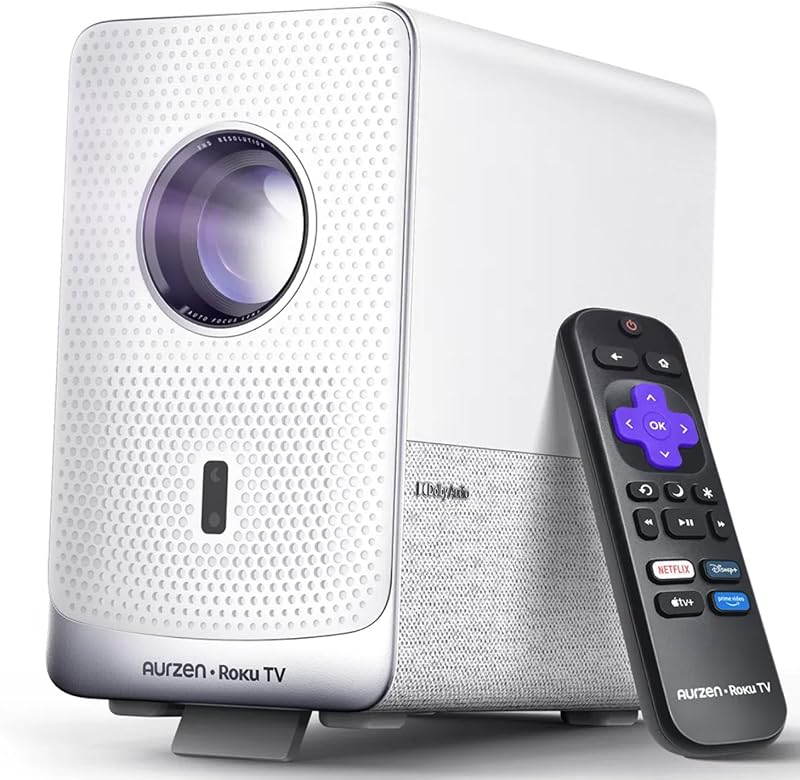
The INSIGNIA 65-inch Class QF Series LED 4K UHD QLED uses direct LED lighting, Dolby Vision, and Fire TV for straightforward streaming. The TCL 55" T7 4K QLED Google TV with 144Hz takes the conventional QLED route with broad color and motion features, while the Hisense 65" E7 Cinema Series Hi-QLED Mini-LED 4K and TCL 55 Inch Class QM6K Series move to Mini-LED dimming for more controlled HDR contrast. For rooms flooded with daylight, these considerations also apply to our projector options for bright rooms.
At the higher-performance end, the Hisense 65" U7 Mini-LED ULED 4K UHD Best lists up to 3,000 local dimming zones and up to 3,000 nits of peak brightness. The TCL 55 Inch Class QM7L Series lists up to 2,100 local dimming zones, an anti-reflective HVA 2.0 Pro panel, and advanced color controls, making both models sensible candidates for bright, mixed-use rooms.
Match refresh rate and gaming features to your hardware
Refresh rate matters most when you play fast games or watch a lot of live sports. A 120Hz, 144Hz, or 165Hz panel can make motion appear smoother, but you also need a compatible console or PC, the right input, and settings that support the feature.
The TCL 55" T7 4K QLED Google TV with 144Hz combines a 120Hz panel with 144Hz gaming support, while the Hisense 65" E7 Cinema Series Hi-QLED Mini-LED 4K offers a native 144Hz game mode. The Hisense 65" U7 Mini-LED ULED 4K UHD Best and Samsung 48-Inch Class S90H Series, OLED, 4K extend that ceiling to 165Hz, with VRR support aimed at reducing tearing. Your setup also benefits from appropriate HDMI cables and adapters, particularly when connecting newer consoles or a gaming PC.
Choose the smart platform, size, and sound plan
Picture quality is central, but the daily experience also depends on the operating system and the size that suits your seating distance. The INSIGNIA 65-inch Class QF Series LED 4K UHD QLED and Hisense 65" E7 Cinema Series Hi-QLED Mini-LED 4K use Fire TV, while the Hisense 65" U7 Mini-LED ULED 4K UHD Best and TCL models use Google TV.
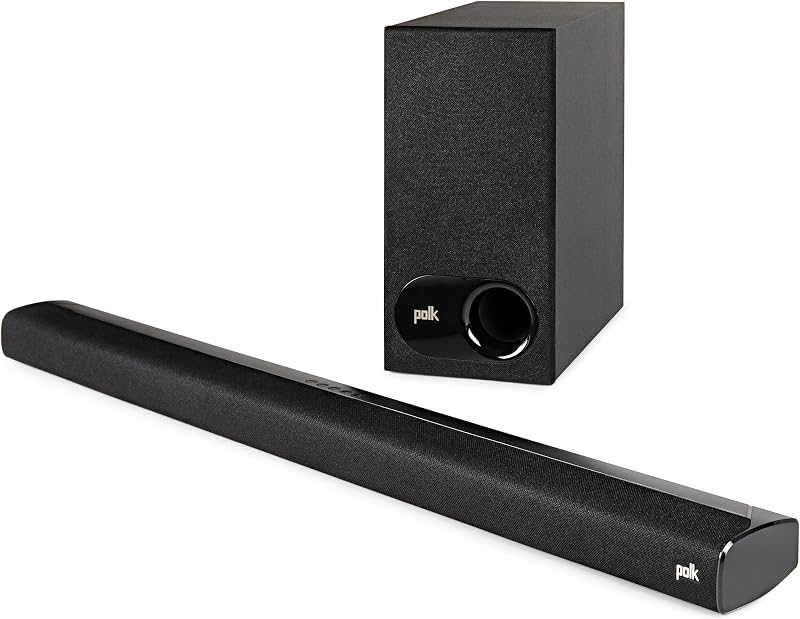
Built-in Dolby Atmos processing can add spaciousness, yet a dedicated audio system still has a major impact on dialogue and scale. Pairing your display with one of the best soundbars for home theater is often the simpler route to a more immersive setup, and you can explore more display options in our TVs and home theater coverage.
Final Thoughts
For movie-first viewing in a controlled-light room, the Samsung 77-Inch Class OLED 4K S85F Series delivers the pixel-level contrast that makes OLED so appealing. If you need stronger brightness, glare handling, and exceptionally fast motion for a lively family room or gaming setup, the Hisense 65" U7 Mini-LED ULED 4K UHD Best is the more versatile direction.
Frequently Asked Questions
Is OLED better than QLED for movies?
OLED is usually the more natural choice for movies when you watch in a dim room, because each pixel can control its own light output. Its black levels and fine contrast help nighttime scenes look more dimensional. QLED can still be excellent for films, especially Mini-LED models with effective local dimming and a brighter room.
Does Mini-LED QLED look close to OLED?
Mini-LED QLED can deliver impressive contrast because it divides the backlight into many independently controlled areas. It does not give every pixel the same individual light control as OLED, so bright objects against a dark backdrop may show some haloing. In return, Mini-LED can be a compelling choice for high-brightness rooms and varied daytime viewing.
Which is better for gaming in 2026, OLED or QLED?
Either can work well, provided the TV supports the refresh rate, VRR format, and connections your console or PC can use. OLED offers quick pixel response and deep contrast, while Mini-LED QLED often brings higher full-screen brightness for daytime play. Prioritize a high-refresh panel and low-latency game features over the display label alone.
Should I buy a TV or a projector for a home theater?
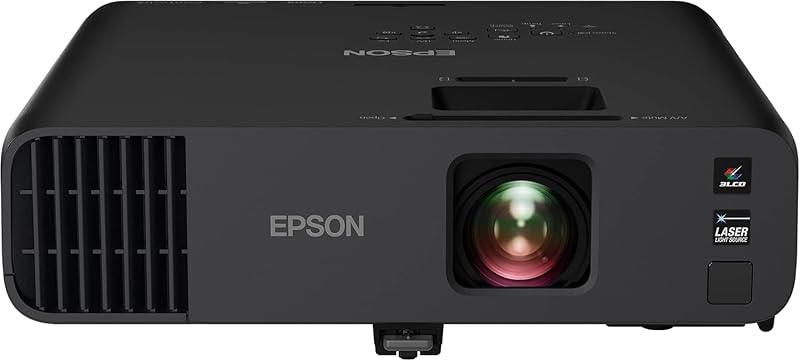
A TV is generally easier to use in changing light and offers a self-contained smart platform, while a projector can create a far larger image in a dedicated dark space. Consider your wall space, ambient light, and audio plan before deciding. Our guide to the best 4K home theater projectors can help if a projection setup better matches your room.






Write Your Review
No reviews yet. Be the first to share your experience!