

Between clinical prep, pharmacology notes, and research papers, nursing students need a laptop that keeps up without weighing down a already-packed bag. You need something reliable, light enough to carry between campus and the hospital, and capable enough to run medical reference apps, video lectures, and productivity software all at once. Finding that balance is exactly what this guide is designed to help you do.
We evaluated five laptops across different budgets and use cases to help you find the right fit for nursing school life. Whether you are a first-semester student or finishing your BSN, there is a solid option here for you. For more coverage of student-friendly tech, browse the full Laptops category.

This compact option works well for nursing students who prioritize portability between hospital rotations and classroom sessions. The included Office 365 subscription provides immediate access to Word and Excel for care plan assignments and patient case studies. At 14 inches, it fits easily into clinical bags alongside stethoscopes and reference guides, though the 128GB storage requires external backup for larger file libraries.
Pros
- Lightweight build under 3.25 pounds fits easily in clinical bags
- 11-hour battery life covers full clinical shifts without charging
- Microsoft 365 included eliminates software purchase costs
- Anti-glare display and AI noise reduction support long study sessions
Cons
- 4GB RAM limits multitasking with multiple applications
- 128GB storage fills quickly with downloaded lectures and files
Nursing students need a laptop that can handle long clinical shifts, travel between hospital floors and classrooms, and run essential healthcare applications without weighing down an already heavy bag. The HP Essential 2026 addresses these priorities directly. At 3.24 pounds and under an inch thick, it slips into a backpack alongside textbooks and stethoscopes without adding noticeable bulk. The Intel N150 processor and 4GB RAM manage nursing school essentials smoothly: accessing electronic health record training platforms, editing care plan documents, streaming anatomy lectures, and participating in telehealth simulations. The 720p camera with AI noise reduction and dual microphones supports clear communication during virtual clinicals or group study sessions. Battery life matters during 12-hour clinical rotations when outlets are scarce. This machine delivers 11 hours during video playback and around 7.5 hours under typical workload, enough to cover a full day between charges. The anti-glare coating on the 14-inch HD display reduces eye strain during late-night study marathons. Included Microsoft 365 eliminates the need for separate software purchases, providing Word for care plans, Excel for drug calculation practice, and PowerPoint for case presentations. Connectivity options including Wi-Fi 6, USB-C, HDMI, and an SD card reader accommodate hospital Wi-Fi networks, external monitors for studying, and file transfers from clinical instructors.
Processor: Intel N150, up to 3.6 GHz Turbo Boost, 6 MB L3 cache, 4 cores, 4 threads
Memory: 4GB LPDDR5 RAM
Storage: 128GB UFS storage
Display: 14-inch HD (1366 x 768) anti-glare, 250-nit brightness, 62.5% sRGB coverage, 79% screen-to-body ratio
Graphics: Integrated graphics
Operating System: Windows 11 S
Connectivity: Wi-Fi 6 (2x2), Bluetooth 5.4
Ports: 1 USB Type-C 10Gbps with DisplayPort 1.2, 2 USB Type-A 5Gbps, 1 HDMI 1.4b, 1 headphone/microphone combo jack, 1 multi-format SD card reader
Camera: HP True Vision 720p HD with noise reduction
Audio: Dual speakers, full-size keyboard with numeric keypad, HP Imagepad
Battery: Up to 11 hours video playback, 7.5 hours mixed usage, 7.5 hours wireless streaming
Design: Weighs 3.24 lb, measures 12.76" x 8.86" x 0.71", Willow Green top cover with matte finish, natural silver keyboard deck
Included Software: 1-year Microsoft 365 Personal subscription
Best for nursing students prioritizing portability and battery life over performance, especially those in traditional BSN or ADN programs with heavy rotation schedules who need a reliable machine for documentation, research, and communication. Skip this if your program requires specialized simulation software, statistical analysis tools like SPSS, or you frequently work with large multimedia files. Students planning to use resource-intensive applications for graduate nursing programs should also look elsewhere. The 4GB RAM and 128GB storage limit multitasking and local file storage capacity.

Apple MacBook Neo 13 inch A18 Pro AI Laptop
Nursing students need a portable machine that can handle clinical software and long study sessions between rotations. At just 2.71 pounds, this ultralight laptop slides easily into a backpack alongside textbooks and supplies. The 1080p FaceTime HD camera delivers clear video for telehealth simulations and remote clinical discussions, while the Liquid Retina display makes reviewing patient charts and anatomy diagrams crisp and legible during marathon study sessions.
Pros
- 16-hour battery covers full clinical shifts and study days
- 2.7-pound weight and 0.5-inch profile fit clinical bags easily
- Apple Intelligence summarizes research and refines documentation
- 1080p camera with dual mics excels for telehealth and virtual learning
Cons
- 256GB storage fills quickly with lecture recordings and clinical apps
- Single external display support limits multi-monitor study setups
Nursing students need reliable tools that survive clinical rotations, late-night study sessions, and constant travel between campus, hospitals, and home. The MacBook Neo delivers exactly that with 16 hours of video streaming battery life and 11 hours of web use, covering entire shifts without hunting for outlets. At 2.7 pounds and half an inch thin, it slips into clinical bags alongside stethoscopes and reference books without adding bulk. The A18 Pro chip with 16-core Neural Engine powers Apple Intelligence features that summarize dense research articles, refine care plan documentation, and organize study notes efficiently. The 1080p FaceTime camera with dual-mic array ensures clear telehealth observations and remote clinical conferences, critical as nursing programs increasingly blend in-person and virtual learning. The 13-inch Liquid Retina display at 500 nits brightness with 2408-by-1506 resolution renders anatomy diagrams, medication databases, and electronic health record systems with sharp clarity. Two USB-C ports handle charging and peripheral connections, while the 256GB SSD accommodates textbooks, lecture recordings, and clinical documentation apps. The recycled aluminum build withstands the rigors of hospital environments and packed backpacks throughout demanding nursing programs.
Display: 13-inch Liquid Retina LED-backlit, 2408x1506 resolution at 219 PPI, 500 nits brightness, supports 1 billion colors
Processor: Apple A18 Pro chip with 6-core CPU (2 performance + 4 efficiency cores), 5-core GPU, 16-core Neural Engine, 60GB/s memory bandwidth
Memory and Storage: 8GB unified memory, 256GB SSD storage
Battery: 36.5-watt-hour lithium-ion battery, up to 16 hours video streaming, up to 11 hours wireless web
Ports: One USB 3 Type-C (10Gb/s), one USB 2 Type-C (480Mb/s), 3.5mm headphone jack
Camera and Audio: 1080p FaceTime HD camera, dual-speaker system with Spatial Audio, dual-mic array with Voice Isolation and Wide Spectrum modes
Design: 0.50 inch height, 11.71 inch width, 8.12 inch depth, 2.7 pounds weight, recycled aluminum enclosure
Operating System: macOS with Apple Intelligence capabilities
Best for nursing students prioritizing portability, battery endurance, and ecosystem integration with existing Apple devices for seamless note-taking and clinical documentation. The lightweight design suits students rotating through multiple clinical sites daily. Skip this if you need Windows-specific nursing software that lacks Mac compatibility, require more than 256GB storage for extensive media libraries, or prefer larger screens for simultaneous viewing of multiple textbooks and reference materials during study sessions.

The 17.3-inch FHD display gives nursing students extra screen real estate for viewing detailed anatomical diagrams and split-screening lecture videos alongside note-taking applications. With 512GB SSD storage, there is sufficient room for nursing school essentials like pharmacology databases and clinical practicum documentation. The AMD Ryzen 3 30 processor and 8GB RAM handle standard nursing software including drug reference apps and practice NCLEX question banks efficiently.
Pros
- 17.3-inch display shows medical charts and references side by side
- 14-hour battery covers unpredictable clinical rotations and classes
- 512GB storage holds extensive lecture recordings and textbooks
- FHD camera with AI noise reduction excels in hospital lighting
Cons
- No keyboard backlighting for overnight shift documentation
- Ryzen 3 processor not suited for demanding simulation software
Clinical documentation, care plan development, and pharmacology research demand screen real estate that typical 13-inch laptops cannot provide. The OmniBook 3's 17.3-inch FHD IPS display at 1920x1080 resolution with 300 nits brightness and 178-degree viewing angles lets nursing students view medication charts, patient records, and reference textbooks side by side without constant window switching. That expansive screen reduces eye strain during marathon study sessions before NCLEX prep or clinical exams. The 14-hour 15-minute battery life eliminates anxiety about finding outlets during long hospital observation days or back-to-back lectures across campus. Despite the large display, the laptop weighs just 4.4 pounds at 0.65 inches thin, making it surprisingly manageable in nursing bags. The AMD Ryzen 3 processor with 8GB LPDDR5 RAM smoothly runs electronic health record training platforms, nursing reference apps, and video lectures simultaneously. The 512GB SSD stores semesters worth of recorded patient simulations, lecture videos, and digital textbooks. The FHD camera with HDR auto-switch and AI noise reduction delivers professional video quality for telehealth observations and remote clinical conferences, even in dimly lit hospital conference rooms. Dual USB-C, dual USB-A, and HDMI 2.1 ports connect to hospital workstations, external monitors, and clinical equipment without adapters.
Display: 17.3-inch FHD IPS, 1920x1080, 300 nits, 62.5% sRGB, anti-glare, 178-degree viewing angles
Processor: AMD Ryzen 3 30, 4 cores, 8 threads, up to 4.1 GHz boost, 4MB L3 cache
Memory: 8GB LPDDR5-5500 MT/s onboard
Storage: 512GB PCIe NVMe M.2 SSD
Graphics: AMD Radeon 610M integrated
Connectivity: Wi-Fi 6 (802.11ax), Bluetooth 5.4, 2x USB-A 5Gbps, 2x USB-C 10Gbps (USB-PD 3.1, DisplayPort 1.4), 1x HDMI 2.1, 1x 3.5mm audio jack
Camera: 1080p FHD with HDR auto-switch, dual array microphones
Battery: Up to 14 hours 15 minutes, 45W USB-C GaN fast charger (0-50% in 45 minutes)
Weight: 4.4 pounds
Dimensions: 15.65" x 10.09" x 0.65"
Operating System: Windows 11 Home with Copilot Key
Sustainability: EPEAT Silver Climate+ registered, ENERGY STAR certified
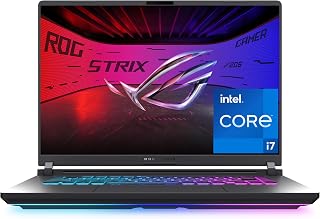
This machine offers serious multitasking power for nursing students running multiple clinical software applications simultaneously. The 16GB DDR5 RAM and Intel Core i7-14650HX processor handle resource-intensive programs like electronic health record systems and medical simulation software without lag. The 1TB SSD provides ample space for storing lecture recordings, clinical rotation documentation, and large anatomy reference files that nursing programs require.
Pros
- 1TB SSD accommodates extensive nursing apps and game libraries
- 16GB DDR5 memory handles multiple medical databases simultaneously
- 16-inch display excels for detailed anatomy charts and gaming
- Intelligent cooling stays quiet during library study sessions
Cons
- 2-hour battery requires frequent charging during clinical days
- 2.65kg weight less practical for constant campus and hospital transport
Nursing school demands long hours of focus, but students still deserve downtime between grueling clinical rotations and exam prep. The ROG Strix G16 serves double duty as both a capable academic machine and a gaming escape valve. The Intel Core i7 14650HX processor with 16GB DDR5 memory handles multiple browser tabs filled with medical databases, electronic health record training software, and video lectures without slowdowns. The 1TB Gen 4 SSD provides ample space for massive anatomy apps, pharmacology references, recorded patient simulations, and a library of games for stress relief. That 16-inch FHD+ display at 165Hz with 3ms response time renders detailed anatomical diagrams and medication interaction charts with exceptional clarity during study sessions, then switches seamlessly to smooth gaming when you need mental breaks. The RTX 5060 GPU with 8GB dedicated memory powers both graphics-intensive nursing simulation software and modern games at high settings. Wi-Fi 7 connectivity ensures fast downloads of large course materials and lag-free online gaming. The ROG Intelligent Cooling with vapor chamber and liquid metal keeps the system quiet during library study sessions and prevents thermal throttling during extended use. At 2.65kg, it remains transportable between campus, home, and clinical sites.
Processor: Intel Core i7 14650HX (16 cores, 2.2 GHz base)
Graphics: NVIDIA GeForce RTX 5060 (8GB GDDR5, DLSS 4)
Display: 16 inch FHD+ (1920x1200) 165Hz IPS LED, 3ms response time
Memory: 16GB DDR5-5600MHz (upgradeable)
Storage: 1TB PCIe Gen 4 SSD (upgradeable)
Connectivity: Wi-Fi 7 (802.11be), USB ports, HDMI output
Audio: Dolby Atmos speakers
Keyboard: Gaming-grade QWERTY with RGB
Battery: 90Wh Lithium-Ion, 2 hours gaming, 50 hours standby
Weight: 2.65kg
Dimensions: 13.94 x 10.55 x 0.9 inches
OS: Windows 11 Home
Warranty: Limited
Ideal for nursing students who game seriously during downtime and need powerful hardware for both demanding coursework and entertainment. The large storage capacity suits students managing extensive digital textbook libraries and simulation software. Skip this if portability is your top priority, as the 2.65kg weight and 2-hour battery life make it impractical for all-day clinical rotations without constant access to power outlets, or if you need a quiet machine for hospital library study sessions.

Pros
- Excellent value for the price with solid specs for office productivity and everyday computing
- Lightweight and portable design makes it ideal for students and remote workers
- 16GB RAM and 256GB SSD provide responsive performance and ample storage for most users
- Privacy features including camera shutter and mic mute key are built-in standard
- Wi-Fi 6 connectivity ensures faster speeds than older standards for streaming and video calls
Cons
- Intel N100 processor is entry-level and may struggle with demanding applications like video editing or gaming
- USB-C port supports data only, not charging, limiting cable versatility for some users
- 45% NTSC color gamut and 250 nits brightness limit this display's appeal for creative work
The HP Laptop 15 2026 is a mainstream ultraportable built for students, remote workers, and everyday users who prioritize portability and battery life over raw processing power. At 3.5 lbs with a 0.7-inch profile, this laptop slides easily into bags and backpacks, making it an ideal travel companion for home, office, or classroom settings.
Performance is solid for general productivity. The Intel N100 processor with 4 cores and up to 3.4 GHz handles web browsing, email, video calls, document editing, and streaming without lag. The 16GB DDR4 RAM ensures smooth multitasking, while the 256GB PCIe NVMe SSD delivers fast boot times and quick app launches. The 15.6-inch FHD anti-glare display is comfortable for long work sessions, supported by dual speakers and a 720p camera with dual microphones for video conferencing.
Design and build quality feel respectable for the price point. The laptop features a full-size keyboard with numeric keypad, natural silver finish, and thoughtful privacy features like a camera shutter and mic mute key. Wi-Fi 6 and Bluetooth 5.3 ensure modern wireless connectivity, while the port selection includes USB-C data, two USB-A ports, HDMI 1.4b, and a headphone combo jack.
Drawbacks exist for specific use cases. The Intel N100 is entry-level and not suitable for gaming, video editing, or other processor-intensive work. The USB-C port lacks charging capability, which limits cable flexibility. The 45% NTSC color gamut and 250 nits brightness are adequate for general work but insufficient for creative professionals who need color accuracy.
Verdict: The HP Laptop 15 2026 delivers excellent value for students, remote workers, and home users who need dependable everyday computing in a portable package. Its 16GB RAM, SSD storage, and all-day battery life provide real productivity gains, while privacy features and modern connectivity standards add peace of mind. Skip this if you need gaming performance or creative workstation capabilities.
Processor: Intel N100 (4 cores, up to 3.4 GHz)
Display: 15.6-inch FHD (1920 x 1080) IPS Anti-Glare, 250 nits, 45% NTSC, 60Hz refresh rate
Memory: 16GB DDR4 RAM at 3400 MHz
Storage: 256GB PCIe NVMe M.2 SSD
Graphics: Intel UHD Graphics (integrated, shared RAM)
Connectivity: Wi-Fi 6, Bluetooth 5.3
Ports: 1 USB-C (data only), 2 USB-A, 1 HDMI 1.4b, headphone/microphone combo jack
Camera: 720p HD with temporal noise reduction and dual array microphones
Operating System: Windows 11 Home
Security: Firmware TPM, mic mute key, camera privacy shutter
Battery: Extended life with 45W Smart AC adapter
Weight: 3.64 lbs
Dimensions: 14.17 inches (L) x 9.29 inches (W) x 0.73 inches (Th)
Color: Natural Silver
Form Factor: Clamshell
Who Should Buy This Laptop: Students juggling online classes and assignments, remote workers who move between locations, home users who need reliable everyday computing, and anyone seeking a portable ultrabook for travel without premium pricing.
Who Should Look Elsewhere: Gamers and creative professionals who need dedicated graphics or high-performance processors will find the Intel N100 insufficient. Users who require precise color work should consider models with higher NTSC ratings. Those needing charging via USB-C may prefer newer designs with full-featured USB-C ports.
Real-World Use Cases: This laptop excels at office productivity (spreadsheets, word processing, email), video conferencing (Teams, Zoom), online learning platforms, content consumption (streaming, browsing), and lightweight document editing. It handles everyday multitasking smoothly but may stutter under heavy loads like rendering or compiling code.
Key Advantages Over Competitors: The combination of 16GB RAM, 256GB SSD, and integrated Wi-Fi 6 at this price point is competitive. Built-in privacy features (camera shutter, mic mute) differentiate it from budget alternatives. Extended battery life and lightweight design make it superior for mobile professionals compared to budget desktop replacements.
Investment Perspective: At the current price point, this laptop offers strong value for its target audience. The 2026 model designation suggests current technology and manufacturer support. Plan for 3-5 years of reliable productivity use before considering an upgrade, depending on your computing demands.
What to Look for in a Nursing Student Laptop
Battery Life That Lasts the Full Shift
A 12-hour clinical day leaves little room for hunting down outlets. You want a laptop that can realistically carry you through lectures, study sessions, and video calls without needing a charge mid-day.
The Apple 2026 MacBook Neo 13-inch Laptop with A18 Pro offers up to 16 hours of battery life, which is among the best in this category. The HP OmniBook 3 17.3 inch Laptop PC, FHD Display follows closely with up to 14 hours and 15 minutes, plus HP Fast Charge that restores 50% battery in roughly 45 minutes.
Portability and Build Quality
You will be carrying your laptop in a backpack through hospitals, libraries, and classrooms daily. Weight and durability matter more than most students realize until they have lugged a heavy machine around for a semester.
The MacBook Neo’s recycled aluminum enclosure is both lightweight and impressively durable, making it a strong choice for students who prioritize portability. The HP Essential Laptop 2026, Intel CPU weighs just 3.24 lbs and measures under an inch thick, fitting easily into any standard backpack.
RAM and Storage for Multitasking
Nursing software, browser tabs, PDF textbooks, and video calls running simultaneously require a machine with enough memory to handle the load. Skimping on RAM is one of the most common mistakes student laptop buyers make.
The HP Laptop 15″ FHD Computer 2026, Intel Processor ships with 16GB of DDR4 RAM and a 256GB NVMe SSD, a solid combination for smooth multitasking. The HP OmniBook 3 17.3 inch Laptop PC, FHD Display pairs 8GB LPDDR5 RAM with a 512GB SSD, giving you more storage headroom for saved lectures and case study files.
Display Quality for Long Study Sessions
Reading dense medical textbooks and reviewing anatomy diagrams for hours at a stretch puts real strain on your eyes. A quality anti-glare display with accurate colors makes that experience significantly more comfortable.
The MacBook Neo’s Liquid Retina display supports 1 billion colors and renders crisp text, which is ideal for reading dense clinical material. The OmniBook 3’s Full HD IPS panel offers 178-degree wide viewing angles, useful when studying with classmates or presenting group work. If you are curious about how display quality affects productivity setups, check out our guide to the Home Office category for related recommendations.
Final Thoughts
For most nursing students, the best overall choice comes down to your priorities: if battery life and a premium experience matter most, the Apple 2026 MacBook Neo 13-inch Laptop with A18 Pro is tough to beat with its 16-hour runtime and A18 Pro chip built for AI-assisted workflows. If you need a budget-conscious workhorse with more RAM for heavy multitasking, the HP Laptop 15″ FHD Computer 2026, Intel Processor delivers 16GB of RAM and a full HD display at a more accessible entry point, making it a smart, practical pick for students who need performance without overspending.
Frequently Asked Questions
What specs do nursing students actually need in a laptop?
For nursing school in 2026, you generally want at least 8GB of RAM, a fast SSD for quick boot times, and a battery that lasts eight or more hours. A Full HD display and a lightweight build will serve you well across long days on campus and in clinical settings. Most nursing-specific software is not resource-intensive, so you do not need a high-end GPU.
Is a MacBook or a Windows laptop better for nursing students?
Both platforms work well for nursing school, and the choice largely comes down to personal preference and budget. MacBooks offer exceptional battery life and a polished build, while Windows laptops like the HP Essential and HP OmniBook 3 provide more variety across different screen sizes and configurations. Most nursing programs and clinical apps are compatible with both operating systems in 2026.
Do nursing students need a gaming laptop like the ASUS ROG Strix G16?
A gaming laptop like the ASUS ROG Strix G16 (2025) Gaming Laptop is generally overkill for standard nursing coursework, but it can make sense if you are also a serious gamer or plan to use your laptop for graphic-intensive projects after graduation. Keep in mind that gaming laptops tend to be heavier and have shorter battery life, which can be a drawback during long clinical days. For most nursing students, a lighter mainstream laptop is the more practical daily driver. If you are interested in high-performance builds more broadly, our best PC build for RTX 5060 ti covers powerful setups in depth.
How much storage do nursing students need?
A 256GB SSD is the minimum worth considering in 2026, and 512GB is more comfortable if you plan to save video lectures, large PDFs, and research files locally. Cloud storage through Microsoft 365, which is included with both HP Essential models reviewed here, can supplement local storage effectively. If you rely heavily on downloaded course materials, prioritize a laptop with at least 512GB or strong cloud integration.
For more ways to build out a productive student workspace, explore our recommendations in the Electronics category and the best silent mechanical keyboards for 2026 to round out your setup.
Common questions
What are the best laptops for medical students?
The best laptops for medical students overlap heavily with nursing laptops since both fields require portability, long battery life, and reliable performance for coursework, research, and clinical software. Models like the HP OmniBook 3 with its 17.3-inch FHD display and 512GB storage work well for anatomy software and note-taking, while the Apple MacBook Neo 13-inch offers excellent portability with its A18 Pro chip and 2.71-pound weight. Medical students benefit from at least 8GB RAM and sufficient storage for textbooks and reference materials.
What are the best laptops for doctors?
The best laptops for doctors prioritize portability, security, and compatibility with electronic health record systems. The Apple MacBook Neo 13-inch at 2.71 pounds is ideal for doctors moving between exam rooms, offering built-in security and a 1080p FaceTime HD camera for telehealth. Windows options like the HP Laptop 15" with 16GB RAM handle medical charting software smoothly. Doctors should prioritize models with strong build quality, fast boot times, and easy-to-clean surfaces for clinical environments.





Write Your Review
No reviews yet. Be the first to share your experience!