

Staring at code for eight hours straight reveals what most people miss about monitors. That slight eye strain at 3 PM becomes a headache by 5. The screen that looked fine in the store now feels cramped when you’re juggling an IDE, terminal, documentation, and Slack. Programming demands more from a display than casual use, and the right monitor makes the difference between productivity and frustration.
This guide evaluates displays built for developers who spend their days writing, reviewing, and debugging code. We’ve focused on screen real estate, text clarity, ergonomic adjustability, and eye comfort features that matter during extended sessions. Whether you need vertical space for long files or horizontal width for side-by-side comparisons, you’ll find options that fit your workflow. If you’re also evaluating portable setups for computer science work, these monitors pair well with modern development machines.
Quick Comparison
Ratings reflect the most recent data pull. Check each listing for current price and availability.

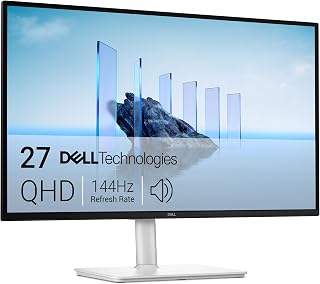
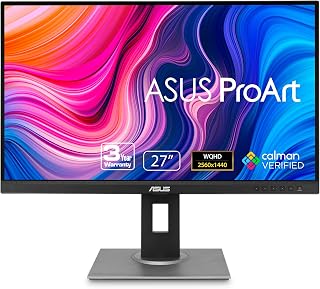
The 27-inch QHD resolution delivers 2560x1440 pixels, giving you 77% more screen real estate than standard 1080p for viewing more code without scrolling. The IPS panel ensures accurate color reproduction and wide viewing angles, critical when reviewing UI work or collaborating over screen shares. Height, tilt, pivot, and swivel adjustability let you position the display ergonomically for long coding sessions, reducing neck and eye strain during extended development work.
Pros
- TUV certified eye comfort features reduce strain during long coding sessions
- Full ergonomic adjustment including portrait pivot for vertical code viewing
- QHD resolution balances screen space with system performance
- Matte finish eliminates glare without sacrificing clarity
Cons
- Limited to two video inputs for multi-device setups
- No 4K resolution for pixel-dense design work
Programming demands hours of sustained focus, and the Dell S2725DSM addresses this through its TUV 4-star eye comfort certification. Flicker-free technology and blue light reduction work together to minimize fatigue during marathon coding sessions. The 2560x1440 QHD resolution provides ample screen real estate for side-by-side code editors, terminal windows, and documentation without the GPU overhead of 4K. The matte finish eliminates distracting reflections when reference materials or bright windows sit behind your desk. IPS panel technology with 178-degree viewing angles maintains color accuracy and text clarity even when you shift posture throughout the day. Full ergonomic adjustability covers height, tilt, pivot, and swivel, letting you position the display exactly where your neck and eyes need it. Portrait mode becomes practical for long configuration files or full-page code reviews. The dual 3W speakers handle video calls and background audio competently, reducing desktop clutter. At 14.1 pounds with a compact footprint, it fits multi-monitor setups without demanding excessive desk space. The 144Hz refresh rate and 1ms response time matter less for development work but keep UI animations smooth.
Best suited for developers who value ergonomic flexibility and sustained eye comfort over extended work sessions. The QHD resolution works well for those running multiple IDEs, terminals, and browser windows simultaneously. The portrait pivot feature particularly benefits developers reviewing long code files or working with mobile layouts. Skip this if you need four or more video inputs for complex multi-device workflows, as the single HDMI 2.1 and one DisplayPort may prove limiting. Also pass if 4K resolution is non-negotiable for your specific development environment.


Buying Guide: What to Look for in a Programming Monitor
Screen Size and Aspect Ratio
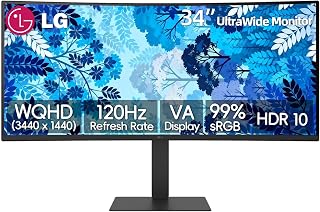
Screen dimensions directly affect how much code you can see without scrolling. Standard 16:9 displays work fine, but ultrawide 21:9 monitors let you place your editor, terminal, and browser side by side without window switching. The LG 34 Inch UltraWide Curved Monitor and LG 34WR55QK-B 34-inch UltraWide WQHD (3440 x 1440) both offer this horizontal space, which proves valuable when comparing code changes or monitoring build output while writing.
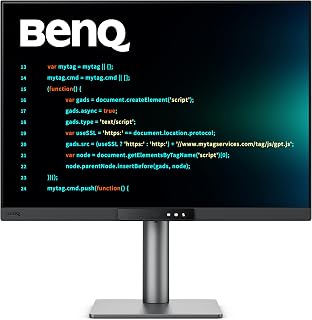
The 3:2 aspect ratio presents a different advantage. Monitors like the BenQ Programming Monitor RD280UG 28.2″ 4K provide extra vertical pixels, reducing the scrolling needed to review long functions or configuration files. This ratio mimics a sheet of paper turned upright, which feels natural when reading documentation or reviewing pull requests. For developers who work primarily in text editors rather than multiple windows, vertical space often matters more than width.
Resolution and Text Clarity
Higher pixel density makes text sharper, which reduces eye strain during marathon coding sessions. QHD resolution (2560×1440) offers a noticeable upgrade over standard 1080p displays, giving you more workspace without sacrificing readability. The Dell 27 Plus QHD Monitor – S2725DSM and ASUS ProArt PA278QV 27 Inch 1440p QHD both deliver this resolution at a size where individual pixels remain invisible from normal viewing distances.
4K displays push clarity further, rendering tiny fonts and detailed UI elements with precision. The LG 32UR500K-B Ultrafine 32-inch 4K UHD (3840×2160) provides this resolution across a larger screen, letting you scale your interface up for comfort while maintaining crisp edges. For those setting up remote work environments or freelance developer stations, 4K resolution ensures your display keeps pace with laptop screens that increasingly ship with high-DPI panels.
Refresh Rate and Response Time
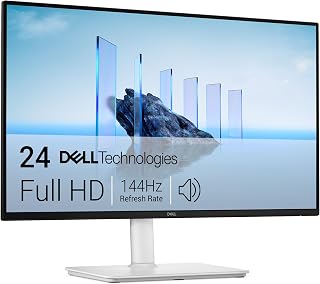
While programmers don’t need gaming-grade specs, higher refresh rates make everyday interactions smoother. Scrolling through code at 120Hz or 144Hz feels more fluid than standard 60Hz displays, and your cursor tracks more precisely across the screen. The Dell 24 Plus Monitor – S2425HSM includes a 144Hz panel that eliminates the slight lag you might not have noticed until it disappeared.
Response time matters less for static text than moving visuals, but faster panels reduce ghosting when you’re rapidly switching between files or dragging windows. Most modern IPS panels offer 4-5ms response times, which proves sufficient for development work. The msi PRO MP275 27-inch IPS 1920 x 1080 (FHD) balances affordability with a 100Hz refresh rate and reasonable response time, making it a practical choice for developers who want smoother motion without premium pricing.
Eye Comfort and Ergonomics
Long coding sessions demand displays that minimize fatigue. Flicker-free backlighting and blue light reduction features help prevent the eye strain that accumulates over hours of screen time. TÜV certification indicates validated eye comfort, and several monitors in this category carry this designation. Reader modes warm the color temperature and adjust contrast specifically for text-heavy work, which many developers activate during afternoon sessions.
Physical adjustability matters just as much as display technology. Height, tilt, swivel, and pivot adjustments let you position the screen at eye level and rotate it to portrait orientation when reviewing long files. The BenQ RD280U 28.2″ 4K 3840×2560 3:2 Programming includes a fully adjustable stand and specialized coding modes that optimize syntax highlighting visibility. Anti-glare coatings reduce reflections from windows and overhead lights, which becomes critical in office environments where you can’t control the lighting. Similar considerations apply when choosing displays for technical students who split time between labs and dorm rooms with varying light conditions.
Connectivity and Desk Integration
Modern programming workflows often involve multiple machines or frequent laptop switching. USB-C connectivity with power delivery lets you connect your laptop with a single cable that charges the device while transmitting video and data. The LG 34WR55QK-B 34-inch UltraWide WQHD (3440 x 1440) includes 65W USB-C power delivery, eliminating cable clutter on your desk.
DisplayPort and HDMI inputs give you flexibility to connect desktop workstations, docking stations, or multiple computers simultaneously. Picture-by-picture modes let you view two input sources side by side, which proves useful when you’re developing on one machine while monitoring builds or deployments on another. The SAMSUNG 34″ ViewFinity S50GC Series Ultra-WQHD supports this workflow with multiple input options and split-screen functionality built into the monitor’s controls.
Final Thoughts
The right programming monitor adapts to how you actually code rather than forcing you to adapt to its limitations. If you prioritize horizontal workspace for multiple windows, the LG 34 Inch UltraWide Curved Monitor delivers the screen real estate that makes side-by-side work effortless. For developers who value vertical space and specialized coding modes, the BenQ Programming Monitor RD280UG offers a purpose-built solution with features designed specifically for reading and writing code. Both approaches work, the choice depends on whether your workflow benefits more from width or height.
Frequently Asked Questions
What monitor size is ideal for programming?
Most developers find 27 to 34 inches provides the optimal balance between screen real estate and desk space. Smaller displays require more window switching, while larger screens can strain your neck if positioned incorrectly. Ultrawide 34-inch monitors offer horizontal space without the vertical bulk of dual displays, which many programmers prefer for their clean desk aesthetic and seamless workflow.
Is 4K resolution necessary for coding?
4K resolution improves text sharpness but isn’t mandatory for productive programming. QHD (2560×1440) delivers excellent clarity at 27 inches and requires less GPU power than 4K. However, 4K becomes more valuable on larger displays or when you need to fit multiple windows at readable sizes. The extra pixels also help when reviewing detailed designs or high-resolution mockups alongside your code.
Should I choose an ultrawide or dual monitor setup?
Ultrawide monitors eliminate the bezel gap that interrupts your view across dual displays and simplify cable management with a single screen. They work well for developers who primarily need horizontal space. Dual monitors offer more flexibility if you frequently reference documentation while coding, since you can dedicate one entire screen to your IDE and another to browsers or terminals. Similar setup considerations apply when configuring workstations for business applications that involve spreadsheets and multiple document windows.
What refresh rate do programmers need in 2026?
While 60Hz remains functional for coding, 100Hz or higher makes scrolling and window movement noticeably smoother during daily work. You don’t need the 240Hz refresh rates gamers chase, but 120-144Hz displays have become affordable enough that the improved responsiveness justifies choosing them over standard 60Hz panels. The difference becomes apparent when you’re rapidly navigating large codebases or switching between multiple applications throughout your workday.
Common questions
What is the best monitor for coding in 2026?
The best monitor for coding depends on your workflow and budget. Ultrawide monitors like the LG 34WR55QK-B (3440x1440, 100Hz) excel at multitasking with side-by-side code and documentation, while 4K displays like the LG 32UR500K-B (3840x2160) offer sharper text and more vertical space for long files. Curved ultrawides reduce eye strain during extended sessions. For budget-conscious developers, the Dell S2425HSM (1920x1080, 144Hz) delivers smooth scrolling and ergonomic adjustability at an accessible price point.






Write Your Review
No reviews yet. Be the first to share your experience!